Close
Office: Mon – Fri 08:00 – 18:00 & Sat 08:00 – 13:00Order fuel online now

10 Steps to Prevent Home Heating Oil Theft

Many homes rely on heating oil to keep their homes cosy and warm but as fuel prices continue to rise, could your heating oil tank fall victim to oil thieves?

In 2022, there has been a significant increase in heating oil thefts and local police encourage residents to be mindful of their home security.

Now more than ever, it is important to take as many steps as possible to ensure your tank isn’t an easy target. To help, we have ten steps that aim to prevent home heating oil theft.


How to prevent theft of home heating oil tanks

Heating oil is costly and may leave you venerable to thieves operating in your area. To ensure the safety of your home and to give you some peace of mind, here are ten steps to prevent oil theft.


Install oil tank locks

It’s not unusual for thieves to bring tools to help them gain access to your tank, so it is important you lock it up using a high-quality padlock or locking bar system.

Heating oil tank padlocks are widely available and be sure to check your chosen lock is suitable to sustain all weathers.

Although thieves are able to drill into your tank, a maximum-security lock is a visual security measure that indicates forward thinking and may deter the thief if they believe several other measures may be in place.


Install an oil tank alarm

Installing an oil tank alarm allows you to be alerted to any dips in your oil tank levels. An alarm can alert you from inside the home or on your phone when you are not home.

Thieves can steal thousands of pounds of heating oil quickly and discreetly so an alarm may not deter them as by the time the alarm sounds your tank could already be empty.

However, displaying a sign informing thieves that your heating oil tank is alarmed can be beneficial to prevent theft.

A smart monitor can also alert you to sudden drops in fuel and alerts can be set-up in the app.


Install CCTV

One of the best security measures to protect your heating oil levels is to install CCTV. CCTV will not only deter thieves but will also catch them in the act.

CCTV installation is a visual security measure that prevents oil theft by deterring thieves from targeting your home. Showing signs of proactive thinking and taking preventative measures makes it less likely for a robbery to take place on your property.


Protect your tank with fencing

Another great way to protect your heating oil tank is to install a fence around it. Although fences won’t necessarily disguise your oil tank, they can provide significant protection.

Steel and metal fences with a lockable access point ensure your oil tank are not on public display or accessible by opportunists in your area.


Keep your tank hidden

Thieves can use Google Maps and satellite images online to locate their heating oil tanks and pick their targets. However, with no oil tank on display, it would be increasingly difficult for thieves to know where it is located.

Ensuring your oil tank is hidden and can not be seen by passers-by is key to eliminating your tank as a potential target. Thieves often patrol areas in search of their target so the aim should be to make your tank as discreet as possible.

Keeping your tank away from gates, footpaths, and access points while making sure it is visible from the house is an effective way to deter thieves as they cannot access it easily or quickly without being caught.


Get a security light

Most thieves operate at night and steal heating oil when there is nobody around to catch them. Automatic security lights often startle thieves and draw attention to them.

Bright security lights will not only interrupt the thief in action, but they will also be bright enough to alert you inside so you can inform the police at the time of the crime.
 

Emergency Home Heating Oil Delivery Near Me


Lay gravel around your tank

Thieves feel comfortable at night when it is quiet, and they are unlikely to be disturbed. Gravel is loud and will discourage thieves by creating mass amounts of noise.

The noise will deter the thief and alert you of trespassers on your property. It is also one of the most cost-effective, and easiest ways to secure your home.


Invest in a steel tank

Heating oil tanks are often green and plastic making them easy for thieves to access and identify. Although plastic models may be cheaper, they are also more appealing to operating thieves as they can be accessed quickly and easily with little force.

Steel tanks come in a range of shapes and sizes and offer much more security than their plastic counterpart. Made from steel, these tanks are sturdier and much harder to damage without making a lot of noise.


Be vigilant

If you notice suspicious large vehicles in or around your street be sure to take down the details and pass them on to the police. It is always best to report suspicious activity just in case.

You can report any suspicious behaviour to your local police station via telephone or online.


Defensive planting

Prickly bushes, spiky hedges, and thorny shrubs are natural deterrents that help to reduce crime. Thieves will be deterred from your home as prickly bushes could easily rip their clothing and lead the police to identify them.

Plant bushes, shrubs, and hedges around your heating oil tank for an effective and inexpensive security measure.

At NWF we have been heating homes across the UK since 1950 and are committed to providing domestic and business oil to customers.

If you are a domestic heating oil customer who has a storage tank, or if you are considering buying a property with oil heating, get in touch with us today for more information about heating oil tanks, tank maintenance, and how you can keep it safe.


Why Choose Us

Don’t let thieves get away with your hard-earned heating oil. Take control of your home’s security with our exclusive 10-step guide to prevent fuel theft.

Discover expert tips and innovative strategies to fortify your oil storage system, making it impenetrable to would-be thieves. Our comprehensive guide empowers you to stay one step ahead, ensuring uninterrupted warmth and saving you valuable money.

Learn how to install robust security measures and implement smart technology. Gain valuable insights from industry professionals, tailored specifically for homeowners like you.

Simply call our team on 01829700120 and get a free quote here.

 

Buying a House with Oil Heating – What You Need to Know

There are currently around 1.5 million homes across the UK that are not connected to the mains gas grid and rely on home heating oil to heat their homes, all year round.

An efficient way of heating a property, heating oil burns at a higher temperature than natural gas and provides significantly more heat than other heating sources, meaning it is becoming increasingly popular.

If you’re considering buying a house with oil heating, you’re in the right place. Within this article, we explore everything that you need to know about buying a house with oil heating.


What are the benefits of home heating oil?

Home heating oil offers a number of benefits to homeowners, including:

  • Provides optimum heating efficiency.
  • Ideal for remote locations that are not connected to the grid.
  • Lower up-front costs.
  • Safer than other sources of heat.


What questions do you need to ask when buying a house with oil heating?

If you’re considering buying a property that relies on oil heating, there are several key questions you should ask before committing to the purchase.


Tank accessibility, age, and size

You should always check the accessibility, age, condition, and size of the oil tank when buying a home with oil heating. This should give you a good idea of the condition and potential lifespan of the tank. Domestic oil tanks tend to last between 10-15 years, so if you discover that the tank is more than 8 years old, make sure you factor replacing it into your short-term budget.


Condition of the boiler, servicing history and fuel efficiency

Always check the overall condition, servicing history, and fuel efficiency of the heating oil tank, checking for any cracks or other examples of wear and tear.

Make sure that the system is running as it should as this will affect fuel efficiency, and don’t be afraid to ask for evidence of service reports, which should always be provided when the service is carried out.


Insurance requirements

Having adequate insurance cover in place is incredibly important as, if you’re not covered, it could end up costing you a small fortune to replace your tank. At the same time, any accidental damage will be your responsibility.


What security measures are in place?

When buying a home with an oil central heating system, you should always check what security measures are in place to protect it. For example, many homeowners invest in high-quality, robust locks, lighting, smart monitors and other security measures to deter thieves. View the 10 steps to prevent home heading oil theft to find out more.


Underground pipework

You will also need to find out where the underground pipework is located so that, if an engineer needs to access it, they are able to do so with ease.

Not only this but, if you don’t know the location of your delivery pipe, many companies will refuse to fill the tank.


Cost to fill the tank

Finally, it’s important that you gain an idea of how much it will cost to fill the tank before purchasing the property. This will help you identify whether or not the property’s heating oil costs are going to be affordable once you’ve moved in.

Remember, every home sold now must have an energy property certificate (EPC).


New to Home Hearting Oil Guide


Considerations when selling your house with oil central heating

If have oil central heating and you are considering, or in the process of, selling your property, you should ensure that you have the following information to hand:

  • Servicing history
  • Tank age
  • Delivery schedule and provider
  • Security measures in place
  • Insurance documentation
  • Energy Property Certificate (EPC).


Where to buy heating oil?

With over 20 years’ experience in providing domestic heating oil solutions that you can rely on all year round we have a range of products to meet your needs .

Capable of improving the efficiency of your home heating our PremPure domestic oil has been designed to boost thermal efficiency and cut down on soot and carbon in your tanks. We are fully committed to ensuring that your home is always heated to its full potential and that your boilers, engines and combustion system last longer.

We also offer PremierPure Cooker, which is specially formulated for use in your AGA, Rayburn or any other vaporising cookers. This can be delivered directly to your storage tank by our professional, reliable and experienced drivers.

To find out more, get in touch with our team by calling 01829700120 and get a quote here.

Heating Oil Tank Maintenance Ultimate Guide

Oil tank cleaning and maintenance

Heating oil tank maintenance is important to maintain efficiency, reduce pollution and prolong the longevity of your tank. Regular maintenance also ensures that your oil levels in the tank are sufficient and eliminates the risk of being left without essential oil during colder months.

Without maintenance oil leaks, tank rusting, and other potential damages could go unnoticed and cause serious issues in the future. Neglecting your oil tank also means you are at an increased risk of unexpectedly running out of oil.

Why tank maintenance is important?

Regular tank maintenance ensures that the oil is safe for use and prolongs the longevity of the fuel tank’s working life. Taking good care of a heating oil tank allows cost savings as you extend the life of your tank.

If your home is heated by a residential oil tank you should regularly check for leaks and damage, assess the support for rusting, clean the tank, and ensure the heating oil components work efficiently.

When you don’t inspect and adequately maintain your oil tank you are more likely to experience contaminants, oil leaks, and bacteria.

General maintenance and checks

The size and type of oil tank you have will also influence the amount of maintenance that is required. However, the main priority for all tanks is to ensure oil can flow with ease through the pipe without leaking.

The general maintenance and checks that you should conduct when inspecting your heating oil tank are:

  • Check for corrosion, rust, and cracks on the tank body and pipework
  • Check that the supporting structure is in a safe condition
  • Check for any damp patches that could indicate a leak
  • Check the oil is not contaminated by foreign water content
  • Check that no foul smells are coming from the tank

You should also carry out equipment checks to ensure the heating oil tank is working effectively such as:

  • Check the pump is not making unusual noises
  • Check the reading meter is calibrated correctly
  • Check filters are not blocked
  • Check the equipment looks to be in a good condition

If you suspect any abnormalities with your heating oil tank you should arrange for a fuel tank specialist to come for an inspection.

Ultimate Guide to Oil Tanks

Oil tank cleaning

Experts recommend that your heating oil tank is professionally cleaned at least once every three to five years. Cleaning your oil tank regularly helps reduce the risk of experiencing clogs, sludge, insects and excess moisture in the tank.

Oil tank cleaning is a potential safety hazard and should be carried out by a professional, qualified technician. They will work to change the oil filter, remove any debris and water, and restore your oil tank to the highest standard.

In some cases, your oil tank may even need replacing if it’s damaged. For example, if your tank has internal corrosion and cracks on the inside, the oil can no longer be contained safely by the tank, and therefore the tank needs replacing.

With the right and sufficient care, oil tanks can last up to 20 years without damage or leaks. To get the most life out of your heating oil tank, ensure to carry out regular maintenance and call in the experts if you identify a problem.

Oil tank maintenance FAQs

Oil tank maintenance is extremely important to ensure that your tank can be continuously used for many years. Here are some answers to the most frequently asked questions regarding heating oil tanks.

How often should a tank be serviced?

It is recommended that your oil tank is serviced once a year by a registered technician. Your fuel supplier should be able to recommend and arrange for a qualified technician to visit and inspect your oil tank.

Oil tank services are easily overlooked and forgotten about, but regular servicing of your oil tank can increase its working lifespan and avoid dangerous leaks and spills.

Does an oil tank need to be cleaned?

Your heating oil tank should be cleaned by an expert technician at least once every three to five years.

Cleaning an oil tank is a safety hazard and should only be carried out by professionals. The cleaning of a tank containing flammable materials presents hazards and could cause serious accidents if not attempted correctly.

What is the average life of an oil tank?

The average life of an oil tank is around 10 years. With the right care and attention, there is no reason that a heating oil tank should not last at least 10 years.

In some cases, good maintenance allows for oil tanks to last for 20 years without damage or leaks. You can extend the life of your oil tank through thorough and regular maintenance and checks.

How do you know if an oil tank needs replacing?

Your oil tank needs replacing if it shows any signs of damage. A damaged oil tank can not sufficiently contain the oil posing a serious threat. If your oil tank has cracks, rust, or corrosion on the external or internal walls, or if you notice any leaks or spills, you need an oil tank replacement.

However, oil tanks have the potential to last for a long duration of time so if your oil tank is under 10 years old and does not present any signs of damage, it should be okay for safe use. View our heating oil tank replacement guide to find out more.

How long does oil last in Winter?

It is probably more likely that you will use more heating oil to warm your home through the Winter than during warmer months. Depending on your house size, design, location, and preferred indoor temperature will all impact your oil consumption.

Based on an average residential oil tank that holds 1040 litres that burns at an average flow of 7.7 litres per hour with an outside temperature of four degrees Celsius, the oil in the tank should last between five and six days (135 hours) before it hits empty.  Find out more: how long does heating oil last?


Why Choose Us?

At NWF Fuels, we’ve compiled a comprehensive resource to help you keep your heating oil tank in tip-top condition while maximizing energy savings. Uncover essential tips and expert advice on regular tank inspections, leak detection, fuel quality preservation, and more. Our guide empowers homeowners and businesses alike to ensure a secure and efficient heating oil system, saving you time and money in the long run.

From safeguarding against potential hazards to optimizing fuel consumption, this ultimate guide has got you covered.

If you are a domestic heating oil customer who has a storage tank, or if you are considering buying a property with oil heating, get in touch with us today, or call us on 01829700120 for more information about heating oil tanks and maintenance.

Get a quote here.


How Much Heating Oil Do I Need?

Whether you are new to purchasing heating oil or are unsure what the right amount to order at any one time is, then you are not alone. One of the most important and frequently asked questions we receive is ‘how much oil do I need?’ Running out of oil can not only be an inconvenience to you and your loved ones, but it can become expensive to acquire oil during a period of high demand or on an emergency delivery. Numerous factors also affect how much heating oil is required to meet your usage requirements.

How much heating oil does the average home use in a year?

This is a difficult question to answer, because how much heating oil you use depends specifically on your house, how you use energy, and the condition of your boiler and overall heating system. There are a great number of factors that go into calculating how much energy you use. Here are some of the big ones:

  • The size and age of your house
  • The heating requirements for your household
  • The insulation quality of your home
  • How long the heating is on and in which rooms
  • The quality of your fuel
  • The efficiency of your boiler
  • The condition of your tank

While these factors make it very difficult to give a specific number, it is possible to offer some averages to give you a guide.

Based on an average heating energy consumption a UK household uses around 21,000 kWh of energy per year. This translates into approximately 2,000 litres of heating oil, as the amount of heating energy in one litre of kerosene is 10.35 kilowatt hours (kWh).

The typical domestic heating oil tank ranges from 1,000 to 2,500 litres and average order patterns tend to be around 3 or 4 times per year to ensure that you have enough heating oil throughout the year.

It is worth noting that this is just an average that can be used as a guide. As we mentioned above, there is no way to give an exact quantity due to the specific circumstances of your home and how you use energy.  We have some tips that can help you to get more of a sense of how much heating oil you need:

  • If you are moving into a property that uses heating oil for the first time, ask the current owner/occupier how much and how frequently they order.
  • Ask your neighbours. The likelihood is that they will be using heating oil for their property too.


Home Heating Thermostat

How many litres of heating oil do I use per day?

There is no exact figure here as the same factors as above apply here.

Based on the average of 2,000 litres per annum divided by 365 days in the year. The figure on average is about 5.5 litres per day.

This assumes that each day of usage will be the same, but seasonality is a significant factor here. You are much less likely to have the heating on all day in the middle of August than you are in the middle of December, so it is more likely that your heating oil use will be lower during the summer, and higher during the winter months.

The easiest way to know how much oil you are using is with a dedicated oil monitor for your tank.

When you join our Priority Club, we provide you with a state-of-the-art OilFox smart monitor (worth over £120) that provides daily readings and allows you to monitor your oil usage from your phone. We will also come and top up your tank whenever it falls below a certain level. Now you will never run out again.


Home Heating OilFox_Unit


What is the average cost of heating oil?

The cost of heating oil changes daily and there are many factors that impact heating oil prices. These include:

  • Crude oil prices
  • Increase in demand
  • Volatility in oil-producing territories
  • Weather events
  • Tax and duty rate changes

The price of home heating oil, therefore, varies daily which is why our online heating oil quote tool is updated every day to reflect changes in the market.

Our Direct Debit Plan and Priority Club can help you to spread your fuel costs into more manageable monthly payments and avoid large lump sum payments, giving you greater control.


How do I ensure I never run out?

For a hassle-free way to monitor your oil usage and receive top-ups automatically, join our Priority Club.

The OilFox smart monitor checks your oil level constantly and displays that data in the OilFox app. Now you can check on your tank level anywhere, at any time, from any device.

The smart monitor will also automatically notify our depot when your tank falls below a certain level – we will route an order to top you up so you never need to worry about running out.

If you have any further questions about home heating oil, please don’t hesitate to contact us – our experts will be more than happy to help!


Contact Us Now

Our experts are here to guide you every step of the way, ensuring a seamless ordering process. Embrace the convenience of NWF Fuels, your trusted fuel supplier. Say goodbye to wasted oil and hello to cost-effective efficiency. It’s time to take control of your heating needs and invest in a comfortable home. Don’t delay – start planning today!

Get in touch with our team by calling 01829700120 and get a free quote here.

 

How long does heating oil last?

A heating oil tank is an effective and efficient way to heat your home and is a popular method among thousands of residential homes and business owners.

If you’re planning to heat your home using oil or have recently installed an oil tank, you may be wondering how long your heating oil will last. The time it’ll last will differ depending on a range of factors including seasonality, tank size, and tank maintenance.

To find out how long your heating oil will last in the tank and how to avoid running out, keep reading.


How long does heating oil in my tank last?

On average, heating oil in a residential tank will last between 18 and 24 months. To ensure your home continues to be warmed efficiently, your oil tank requires regular maintenance to check the oil is clean and ‘flows’.

However, the length of time oil lasts in the tank is determined by numerous factors and personal lifestyle choices.

Small houses with sufficient installation are less likely to require high levels of heat due to the reduced risk of drafts and cold walls. On the other hand, it can be expected that larger homes with poor installation will need more oil to heat the home.

It can also be assumed that during warmer months you will have less demand for heating oil meaning it lasts longer in the tank. During winter, you’ll use more, and it is important to monitor oil levels to ensure they do reach dangerously low levels.

The size of your oil tank will also determine how often the heating oil in your tank needs to be topped up. Larger tanks can hold more oil so are less likely to require frequent refills than smaller alternatives.


How much heating oil will I use?

How much heating oil you will use depends on the size of your home, the design of your home, the condition of your oil tank, local temperatures and how often people are home.

The size of your home determines the amount of heating oil that your household will use depending on the square footage that is required to be heated.

Sufficiently insulated walls and ceilings mean there is less risk of drafts throughout the house and a smaller interior space to warm. Poorly insulated homes require more heating oil to warm the house.

The number of daily hours that the home is occupied is also a huge factor in determining the amount of oil consumed. If the house is empty for most of the day due to work and school commitments, you are likely to use less oil than if it was occupied.

The temperature outside is one of the most obvious factors that will impact the usage of oil to heat the home. Temperatures can drop suddenly within the space of a few days so as outside temperatures get colder, your heating oil consumption is likely to rise.


Calculating home heading oil prices following the energy price guarantee


Calculating fuel usage

To calculate the fuel usage within your home we will assume that the oil tank burns at an average flow of 7.7 litres per hour and the outside temperature is around 4 degrees Celsius. Based on this, in 10 hours you will have used 77 litres of heating oil.

However, it is unlikely you will require your heating oil to burn for 10 consecutive hours and the temperature range will impact the burning cycle.


How long will ½ tank of heating oil last?

Standard oil tanks can hold as approximately  1,000 litres. Therefore half of a tank would leave you with 500 litres. Burning at an average of 7.7 litres per hour, 520 litres of heating oil would last roughly 67 hours.


How long will ¼ tank of heating oil last?

With an average residential tank holding 1000 litres when full, a quarter of a tank is estimated to hold 250 litres. Divided by the average flow rate of 7.7 litres per hour, 260 litres of heating oil would burn for around 34 hours before the tank is empty.


How long will 1/8 tank of heating oil last?

Based on an average home oil tank that holds 1,1000 litres of heating oil, one-eighth of a tank would hold 125 litres of heating oil. Assuming the oil tank burns at the average flow of 7.7 litres per hour, 125 litres of heating oil would last for roughly 17 hours before running out.

However, remember the size of your home, the number of active occupants, the preferred indoor temperature, and the size of your tank, alongside other factors, will have a direct impact on oil consumption.


How do I avoid running out?

To avoid running out of oil you can install a heating oil smart monitor that automatically and remotely monitors fuel levels in the tank and sends out alerts when the level is low.

By joining the NWF Fuel priority club, you will receive a free smart monitor for your oil tank that can be observed in real-time via a downloaded app on your smartphone. For extra peace of mind, NEW Fuel will monitor your tank and automatically re-fill it before it runs out.

If you ever do run out, contact us right away and we can arrange an emergency oil delivery.

For more information about heating oil smart monitors and joining NWF Fuel’s priority club, get in touch today.


Why Choose Us?

At NWF Fuels, we’ve uncovered the key to maximizing the longevity of your heating oil, ensuring you stay warm and cozy for longer!

With our user-friendly and comprehensive resource, you’ll learn to navigate the complexities of heating oil longevity effortlessly. Discover the secrets that oil companies won’t tell you and take control of your heating expenses today!

Contact our team on 01829700120 and get a free quote here now.


The ultimate guide to oil tanks

Heating oil and kerosene oil tanks are an alternative means of off-mains fuel storage and can come in a wide variety of shapes and sizes to suit a multitude of requirements for domestic, commercial and agricultural users alike.

There are a number of reasons why oil tanks may be used over mains fuel – over one million homes in the UK are not connected to the national gas grid be this by choice or necessity. Heating oil and kerosene oil remain one of the most popular alternatives to gas in the UK, and storing your own oil allows you greater control over your costs for heating fuel.

While there is a range of benefits to using oil, storing it can be a minefield of information. How do you know which storage tank is right for you? Are you up to speed on the risks and regulations associated with oil storage?

We’ve put together the ultimate guide to oil tanks to help you make the best decision when it comes to your oil storage solution.

Types of oil tanks

There are two main types of oil tanks – steel and plastic. Both materials come with their own advantages and disadvantages depending on their intended use. For example, many prefer the strength and robust nature of steel tanks, whereas others may prefer the non-rusting qualities of plastic.

Here are some of the key pros and cons of each oil tank type to help you better decide which tank may work best for you.

Plastic tanks

Plastic oil tanks are a popular option for those looking for a slightly more affordable, yet robust storage solution.

Advantages of plastic oil tanks

  • Do not rust like metal tanks
  • Can have a shelf life of 10-15 years with proper maintenance
  • Made from polyethene materials which are naturally less prone to corrosion
  • A wide variety of off-the-shelf models with a range of sizes and capabilities
  • Lightweight and easy to transport
  • Simple to install
  • Reduced risk of contamination
  • Available fully bunded

Disadvantages of plastic oil tanks

  • If severely damaged, it must be replaced
  • Plastic tanks can undergo large amounts of stress when placed outdoors due to weather and temperature
  • Single-skinned plastic tanks can be at risk from UV exposure which may lead to discolouration, deformity and cracks

Steel tanks

Steel oil tanks are often used to store fuel in bulk and can be produced to more bespoke specifications.


Advantages of steel oil tanks

  • More durable than plastic tanks
  • Can come as a standard size or made to measure personal specifications
  • Less likely to suffer from theft
  • Sturdy and robust and able to withstand more harsh conditions
  • Can be repaired or patched
  • Does not require a solid platform to install
  • Longer lifespan than plastic with proper maintenance and upkeep
  • Non-porous materials prevent absorption of the oil

Disadvantages of steel oil tanks

  • Tend to be a more costly option
  • Heavier and more difficult to manoeuvre
  • Prone to suffer more long-term damage from elemental conditions such as heat, UV light and condensation
  • Corrosion can occur when left unchecked, leading to perforations and oil leakage and environmental damage

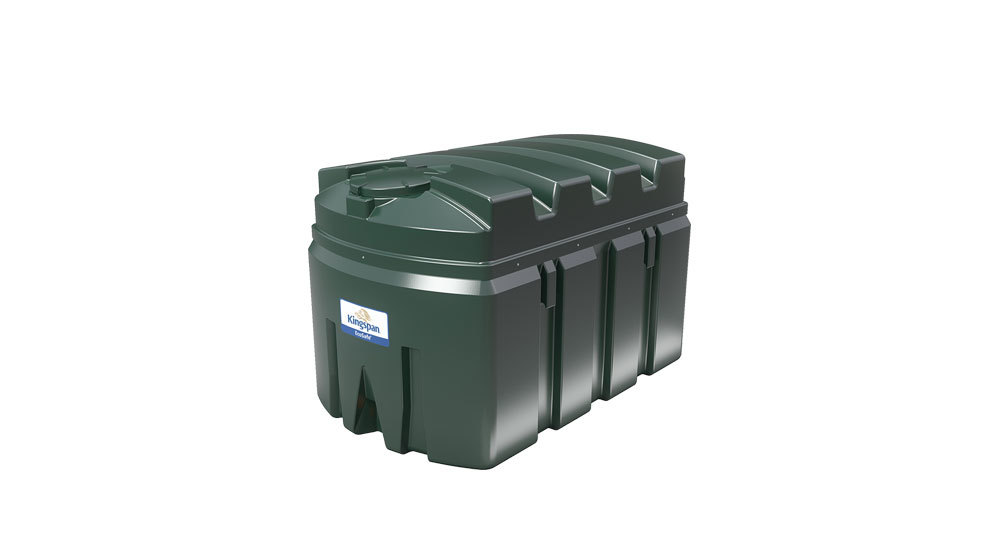
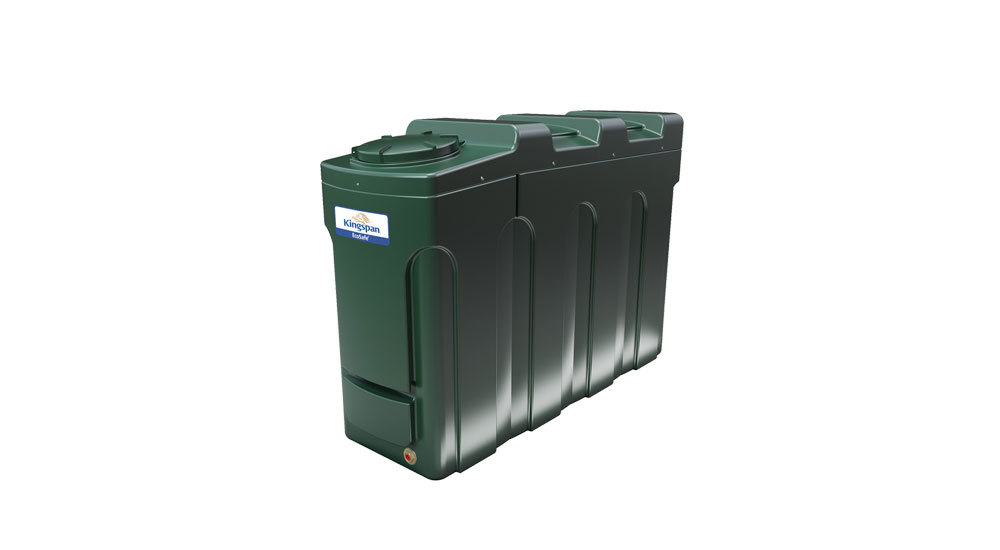
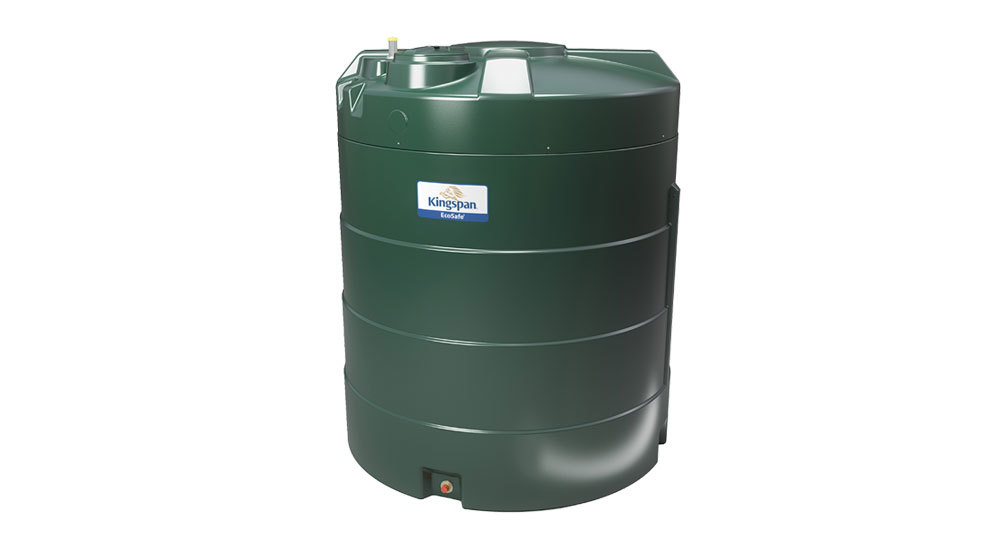
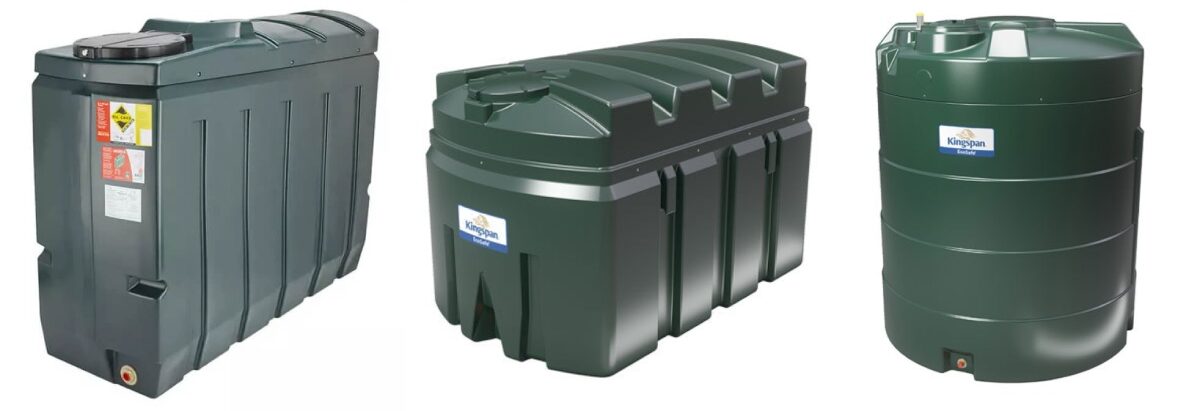
ES2500 - Titan EcoSafe Bunded Oil Tank 2500 LitresESSL2000 - Titan EcoSafe Slimline Bunded Oil Tank 2000 LitresES9000 - Titan EcoSafe Bunded Oil Tank 9000 Litres

Regulations

Any oil tank installation must fully comply with regional Building Regulations. In England and Wales, OFTEC registered technicians are able to self-certify their own work without the involvement of Local Authority Building Control.

Should you choose a technician that isn’t registered with a ‘Competent Person scheme, such as OFTEC, then it is required you obtain and Building Control Notice.

For more information on the regulations surrounding oil tank installation, visit our heating oil tank installation guide, the OFTEC website or the government page for UK Oil Tank Storage and Building Regulations.


Volumes

Which size of heating oil tank you require will depend on your intended usage. For domestic purposes, it’s generally recommended that tanks have a capacity of at least 500 litres per household bedroom. However, investing in a larger tank than necessary can prove cost-effective in the long term.

Before you decide on an oil tank for domestic use, consider the following:

  • The size of your property
  • The number of people living on the property
  • How much space there is for your oil tank

It can be difficult to predict just how much oil you require, but for a basic idea of heating oil consumption, a generic three-bedroom household using kerosene for heating purposes only, primarily on evenings and weekends will consume around 1,600 litres of oil annually. If also used in cooking, they can expect to use around 1,750 litres annually.

Regulatory Responsibilities

Generally, the key regulatory responsibilities associated with storing heating oil are primarily concerned with environmental risk and fire prevention.

Because of this, there are very specific rules regarding where you can position your oil tank and the types of protections you must ensure are in place.

When your tank is serviced, the attending engineer or technician must notify you of any defects or non-compliances and inform you of ways to rectify any faults.

Some of the more common regularity issues include a tank in poor condition or that is rusting, a tank that is located too close to a shed or a tank that is not bunded and located next to a drain.

Environmental protection is another key element to consider, and it is your direct responsibility as an oil tank owner to ensure oil is not released into the environment and that you have the means to cover the clean-up costs of any spills or consequential damages to the area due to spills.

Join the priority club now

Join the prioirty club for a tank monitor

Siting a tank

There are specific guidelines and regulations to follow when it comes to siting and installing your heating oil tank. Because of this, it is highly recommended that you choose an OFTEC-approved professional to install your tank.

Heating oil tanks must be located at least 10 meters away from inland or coastal water and away from areas in danger of flooding.

They must also be located at ground level, or underground – never above roof level. You should select a site where the tank is not easily visible to prevent theft, yet also accessible for regular maintenance and deliveries and away from areas that may cause damage to the tank such as machinery or bad weather.

Theft prevention

Oil tanks can be a target for theft, so it’s vital you take additional steps to both prevent and protect your oil tank from theft.

Preventing fuel theft can include visual deterrents, or choosing a location hidden from view. Motion-detection lighting and CCTV cameras can also be effective deterrents. Some oil tanks include a lockable lid – alternatively our Smart Monitors that are fitted to the tank can alert you when their is a sudden drop in the oil level.

If you’re considering purchasing a domestic heating oil tank or have any questions about the process, don’t hesitate to get in touch.


Why Choose Us?

Discover the Ultimate Guide to Oil Tanks and safeguard your home with NWF Fuels! Our comprehensive resource covers everything you need to know about oil tanks, from installation to maintenance, ensuring you’re well-prepared for any situation. Whether you’re a homeowner, landlord, or business owner, this guide is your go-to manual for understanding the ins and outs of oil tank systems.

Don’t let confusion or uncertainty surround your oil tank—embrace peace of mind with NWF Fuels. Contact our team on 01829700120 and get a quote here now.


Heating Oil Tank Replacement Guide

A range of replacement heating oil tank

Heating oil tanks typically last around 20 years, however, the older they are, the more likely it is that problems will occur.

Whether you’ve just moved into a new home with a heating oil tank or your oil tank is old and damaged, it’s important to know when your tank needs to be replaced.

In this guide, we’ll consider when it is time to replace your oil tank, the signs to look out for, the cost of replacing an oil tank, and more.

When is it time to replace my oil tank?

If your oil tank causes a leak or spill, it can be incredibly costly to clear up, totaling up to £30,000. So it’s important to keep an eye on the condition of your tank and replace it when necessary.

Oil tanks are designed to last at least 10 years, but they often last up to 20 if they are kept well maintained. If your domestic heating oil tank is approaching its tenth birthday or there are signs of damage, you may need a replacement.

You should arrange an annual inspection of your oil tank by an OFTEC Registered Technician, who will be able to tell you if your tank needs replacing.  You may also notice signs that it could be time to replace your oil tank.

Our delivery drivers will always give the tank a visual inspection before depositing the fuels into the tank. They will make you aware of any noticeable signs that the integrity of the tank is a concern but may also refuse to deliver fuel if they feel that the tank is no longer fit for purpose or presents a risk of splitting when full.

What should I look out for?

When inspecting your oil tank, look out for the following signs that it could be time to replace your oil tank:

  • Oil leaks
  • Condensation
  • Signs of damage
  • Signs of corrosion
  • Plastic swelling
  • Increased fuel usage
  • Bulging

Should I choose the same tank again?

In some cases, you will be able to replace your oil tank with one that is like-for-like. However, it’s important to be aware that rules and regulations may have changed since your old oil tank was installed.

Bunded oil tanks are often required today to meet the latest regulations. So, if your old tank is single-skin, you may need to replace it with a bunded tank, consisting of a tank within a tank to help protect against spillages and environmental damage.

Fire protection requirements may also have changed since your current oil tank was installed. Part of the Building Regulations and Standards helps protect oil tanks from a fire at a neighbouring property or structure. Oil tanks now have to meet minimum clearance distances, which may mean that you need to re-site the tank.

How do I make sure my old tank is safe to remove?

It’s important that your tank is removed safely, which is why it should always be done by a professional, certified engineer.

They will check the tank carefully and measure and test the oil to see how much oil is in the tank, and how much is contaminated at the bottom of the tank. They will then pump the oil out of the tank into a holding tank. Any contaminated, waste oil will then be properly disposed of with a waste oil licence.

Once the oil has been disposed of, the tank can be disconnected, cleaned, and then taken to an appropriate recycling centre.

How are oil tanks replaced?

The process of replacing an oil tank depends on a number of factors, including the type and condition of the old tank. However, it usually includes the following steps:

Assessment of old tank

The heating engineer will assess the condition of your old heating tank.

Transfer of oil

If there is any oil remaining in your old tank, it will need to be removed. Any clean, useable oil will be pumped into a holding vessel, while any water and contaminated oil will be removed and disposed of.

Removal of the old tank

The old tank will be removed and recycled.

New tank installation

Once the old tank has been removed, the new tank will be installed. Any necessary adjustments will be made to the base before the new tank is moved into position, connected to the oil supply line, and secured.

Oil transfer

Any clean, reusable oil that was retrieved from the old tank will be pumped into the new one.

Installation check

The engineer will carry out a comprehensive check of the installation including everything is safe and working.

How much will it cost to replace it?

The cost of replacing an oil tank depends on a number of factors, including the type and size of the oil tank you choose, and the cost of installation. New oil tanks typically start from £1,000, while installation costs can be up to an additional £1,000.

It’s also important to remember that any oil left in your tank will need to be drained before the tank is replaced. This can add around £350 to the cost of replacement.

Get a replacement quote today!

What are the regulations on replacing my oil tank?

Anyone who uses oil for their heating has a legal responsibility for maintaining their oil tank.

There is no requirement to replace an oil tank. However, it is against the law to cause pollution and you can face significant fines if you fail to prevent an oil spill, so it’s important you regularly check for signs that your tank may need to be replaced and act accordingly.

The tank

When choosing a new oil tank, it’s important to ensure that it meets the minimum standards laid out by building control regulations.

The location

When replacing your oil tank, you must also check that the location meets the latest regulations in terms of positioning, including:

  • The tank must be at least 760mm from a boundary
  • If you’re screening your new tank, the screen must be at least 600mm from the tank
  • It must be 1.8m from non-fire rated buildings and structures, openings such as doors and windows, and the oil boiler’s flue terminal
  • It must be 50 metres away from a spring, well, or borehole, and 10 metres away from a water course such as a river, stream, pond, or drain
  • The tank must not be located anywhere spilt oil could enter drains or manholes, or pollute groundwater
  • It must not be located anywhere at risk of flooding

The installer

The person installing your oil tank must be OFTEC registered or registered with another relevant scheme. If your tank is replaced by someone who is not registered by OFTEC or another industry body, you must inform building control so that the work can be inspected before being signed off.

In addition to this, if you live on a listed property, you will need planning permission for the new oil tank. If you live in a non-listed property, you may still need planning permission, depending on the height and proposed location of the new tank.

Do I need to fill in any forms/documents?

Providing you use a registered installer, they will handle all of the paperwork and documentation on your behalf. They are permitted to self-certify that their work complies with building regulations.

If your installer isn’t registered with a competent person scheme such as OFTEC, you will need to apply for a Building Control Notice and arrange for an inspection yourself.

With over 40 years of experience delivering oil for household and commercial use, we are one of the country’s leading distributors. Explore our range of bunded oil tanks here and get in touch to find out more about replacing your heating oil tank.


Why Choose Us?

Our comprehensive guide provides expert tips and step-by-step instructions to ensure a smooth transition. Learn how to choose the perfect tank size, select the right material for longevity, and navigate the installation process like a pro.

Our team of industry veterans shares invaluable insights and precautions to avoid costly mistakes. Gain peace of mind knowing you’re investing in a reliable, energy-efficient, and environmentally friendly heating system.

Contact our team by calling 01829 700120 and get a free quote here today.

Priority Club

Priority Club NWF Fuels

Join the Priority Club — Our Premium, Hands-Off Heating Oil Service

In today’s busy world, the last thing you want to worry about is checking your oil tank or running out of heating oil. With the Priority Club, you don’t have to.

We take full responsibility for monitoring your tank, predicting your usage, and topping you up automatically when our drivers are nearby. It’s as simple and stress-free as being on the gas grid — and it’s our greenest heating service too.

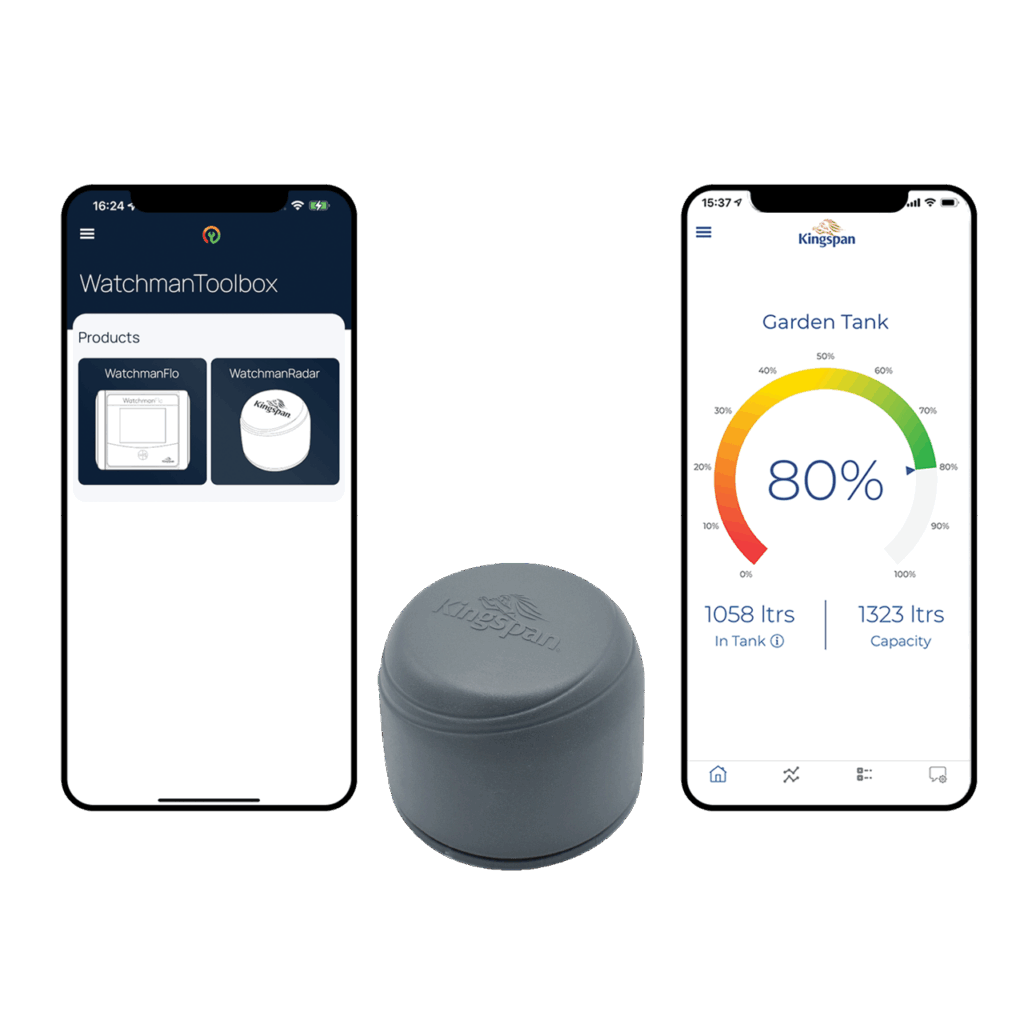
At the heart of the service is the Kingspan Watchman Radar, a highly accurate, cloud-connected smart monitor that gives you complete visibility of your fuel levels and alerts you instantly if anything changes.

Why Join the Priority Club?Watchman-Radar

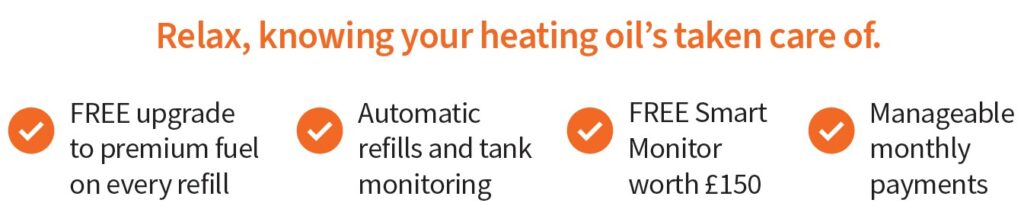
FREE upgrade to premium fuel worth £64.50 per year
This helps your boiler run cleaner, improves efficiency, reduces emissions, and supports long-term system health.

📲 FREE Kingspan Watchman Radar (worth £150)
Your smart monitor provides:

  • High-accuracy radar readings

  • Daily tank level updates

  • Alerts for sudden drops caused by leaks or theft

  • App access from any smartphone

🧘 Totally hassle-free heating
No more dipsticks, sight gauges, guesswork, or emergency orders.

🚚 Automatic deliveries

We monitor your tank remotely and top up your fuel automatically when you’re running low and our drivers are in the area — reducing carbon emissions through efficient routing.

🛡️ Better safety, security & peace of mind
Tank level alerts help protect your property from oil loss, system strain, and unexpected breakdowns.

How It Works

    1. Register online or contact us to join the Priority Club.

    2. We agree a monthly direct debit based on your predicted annual usage.

    3. A professional engineer installs your FREE Kingspan Watchman Radar.


You can check levels through the app — or simply leave everything to us.
We’ll make sure your tank is topped up before you ever run out.

Simple, Affordable and No Upfront Costs

There’s no initial fee for the device or installation.
Your £8.99 monthly subscription is added to your direct debit and covers the connectivity and monitoring that make the service effortless.

Effortless, worry-free heating starts here

Want the comfort and control of automatic, smart-managed heating oil? Get in touch today to join the Priority Club or learn more.

Join the priority club now

Have a question that you can’t see the answer for? Contact us and let us know.

New To Home Heating Oil

Moving house is an exciting and memorable experience but doesn’t always come without its stresses. If you’ve moved into a property that uses home heating oil, it may just feel like one more thing to worry about. That is why we’re here to help answer the home heating oil questions that you may have, and to take the stress out of getting to grips with it.

What is Heating Oil?

Home heating oil is a liquid fuel that is stored in a tank in your garden and feeds a heating oil boiler inside your property. As with a mains gas boiler, the fuel is burned to heat radiators and water within your property.

Heating oil can often be referred to by a number of different names –  home heating oil, burning oil, 28-second oil, and kerosene (or kero for short). This can all seem quite confusing, but they all refer to the same fuel.

Premium grade heating oils are available that offer a more efficient burn, reducing emissions and maintenance costs, and enabling you to get more out of every tank of fuel. This will all save you money in the long run.

For more information about kerosene, its uses, and how it is produced, click here to visit our easy-to-understand Guide to Kerosene.

Which oil do I need?

The vast majority of oil-fired domestic boilers use kerosene, but if you are unsure which fuel your boiler uses, please don’t hesitate to contact us.

How much do I need to order?

Domestic fuel tanks typically have a capacity of 1000-2500 litres. The minimum quantity you can order is 500 litres, but it is cheaper (per litre) to order a larger quantity of fuel.

By setting up a direct debit with us or joining our Priority Club, you can spread the cost for your fuel into smaller, more manageable payments across the year and avoid large lump sum payments.

How much Heating Oil does a house use in a year?

When moving into one of the 1.5 million homes in the UK that rely on an oil-fired boiler, knowing how quickly your home will burn through the oil in your tank is something that will allow you to estimate how much heating oil you might get through in a year, and plan accordingly.

Unfortunately, it is not possible to give an actual figure, as this will depend on a wide number of factors that relate specifically to the way you use energy, such as:

  • The size and age of the house
  • How many rooms you heat
  • How warm you want those rooms
  • Whether you heat your home all year or only during the winter months
  • How well your home is insulated
  • How efficient your boiler is

If you’re moving into a home with an oil-fired boiler, a good way to find out a rough estimate of how much home heating oil you might need is to ask the previous owner or occupant of the house how much they used. You can then use that estimate to help guide you.

For more information, see our guide to how much heating oil you need.

How_much_oil_cat

How long does Heating Oil last?

Kerosene has a typical shelf life of around 2 years, under the right conditions.

There are additives you can purchase to extend the shelf life (such as our Premier Pure), and that will also improve the efficiency of your boiler, enabling you to get the most out of your tank.

There are a few other things you can do to make sure your heating oil lasts longer:

  • Look after your oil tank – keeping your tank in peak condition and monitoring regularly for things like cracks, damage, and rust (if your tank is metal) will help your fuel last longer.
  • Be mindful of the temperature – in the colder weather, oil can thicken, which runs the risk of clogging your heating system. We can advise you on how to guard against this.
  • Insulate your home well – by insulating well, you reduce your overall need for heating oil, making your tank last longer and saving you money on your heating oil bills.


How much does Heating Oil cost?

The wholesale price of heating oil is constantly changing due to a variety of factors that are outside our control. This includes (but is not limited to):

  • Global supply and demand
  • Crude oil production costs
  • Global events (e.g. war, political instability)
  • Natural disasters

We monitor the wholesale price of heating oil continuously, and we buy from all the major oil companies to make sure we offer you the most competitive price every day.

To get an instant quote for home heating oil at a competitive price right now, use our online quote tool.

How do I ensure I don’t run out?

Our Priority Club membership is the easiest way to make sure you don’t run out of home heating oil.

As part of your membership, you will receive a free state-of-the-art OilFox™ smart monitor (worth over £120) which enables you to check your usage from anywhere in the world through a simple mobile app.

It also enables you and us to monitor your tank levels accurately and efficiently without the need to look at your tank. What’s more, we will come and fill your tank automatically with our Premier Pure premium kerosene once your tank level falls below a certain point, ensuring that you always receive fuel before you run out.

Ditch the dipstick, ban the bamboo, and welcome to the 21st Century.  Find out more

How can I order home heating oil?

Ordering fuel from us is simple.

You can get an instant heating oil quote and select a delivery online, or you can call our depot, where one of our experts will be happy to help you to get what you need.


How can I pay for my heating oil?

We offer a variety of ways you can pay for home heating oil:

  • Pay in full by debit or credit card, online or over the phone (we accept Visa, Visa Debit, MasterCard and American Express)
  • You can join our Planned Monthly Direct Debit plan or our Priority Club and spread the cost over 12 months rather than paying larger one-off payments.


Why Choose Us?

Introducing our exclusive guide, designed specifically for newcomers like you. We understand that stepping into the world of home heating oil can feel overwhelming, but don’t worry, we’ve got you covered!

Our comprehensive guide takes you on a captivating journey, unlocking the secrets to efficient and cost-effective heating. Learn about the benefits of using home heating oil, from its unparalleled warmth to its environmental advantages. Gain valuable insights into storage solutions, tank maintenance, and efficient usage tips that will save you both time and money.

Sign up today and receive a FREE consultation with our heating experts. They will guide you through every step, ensuring you make the best choices for your home. Call our team on 01829 700120 for more.

Contact our team today, and get a quote here.


How to monitor your home heating oil tank levels


So, you’ve got your heating oil sorted and you’ve checked your tank for any problems – all’s good. How are you monitoring your oil level though and do you know when you’re getting low? There are customers out there that still use an old stick to dunk in their oil tank; is that you? Some may have a monitor but it’s old and broken. Is it really worth the stress and the risk when it’s so easy to track your oil levels nowadays? To help you decide which option is best for you, we discuss home heating oil tank gauges for sale in our latest blog…


Mechanical Home Heating Oil Gauge

The original way to monitor your home heating oil levels; the mechanical home heating oil gauge. This consists of a small container that floats on top of the oil inside your tank. A cord is  attached from the float to a gauge that screws on to the top of your tank, which shows you the amount of oil you have left.

Pros:

  • It’s cheap and quick
  • It’s tried and tested

Cons:

  • There’s a chance the cord or gauge could get damaged over time
  • You have to physically walk to your tank to read the level on the gauge


Sonar Home Heating Oil Gauge

Just like a bat, this new version of the heating oil gauge features sonic waves. A sonar home heating oil gauge sends out signals that ping off a surface to work out how far away something is; the monitor works out how much oil you have left and then talks to a device, which then links up to a ‘contraption’ in your home.

Pros:

  • You get an instant answer
  • Don’t have to go outside

Cons:

  • More expensive
  • Signal may not be good if it’s too far away from your house


Home Heating Oil App

Following on from the sonar devices, did you know you can now get an app so you can monitor your heating oil level whether you’re at work, at the supermarket or even on holiday?

Join our club and get a free heating oil smart monitor

Smart monitors are a technology of the future but we believe that our customers have the right to adopt this technology today. What’s more, our priority account offers you much more than just our Oil Fox smart oil monitor. You will benefit from oil when you need it but you can also benefit from savings because of Eco deliveries. Overall, the future of monitoring your oil levels is changing and we’re there leading from the front.

Get a free smart monitor


The Watchman Anywhere is a remote oil level monitoring device that allows you to keep track of your heating oil levels using any mobile or web-enabled device; via your iPhone or Android App, email or text. Watch their handy video to find out the best place to attach the monitoring device for best results.

Pros:

  • Quite simple to set up
  • You can get weekly updates emailed to you
  • Peace of mind – perfect if you have a busy/hectic life and/or work away
  • Good if you rent your home – it’ll prevent any stressful and expensive call-outs from tenants!

Cons:

  • Quite expensive
  • May be a bit overwhelming if you’re not used to technology and using apps
  • Only suitable to tanks installed above the ground as there needs to be a GSM or GPRS signal in the area for the built-in sim card to transmit a signal


Getting Home Heating Oil Tank Gauge

We definitely recommend getting a gauge for your home heating oil tank; which one you choose is up to you and your needs/requirements. Remove the stress and monitor your home heating oil level so that never run out of oil again. Why not get a free, instant home heating oil quote whilst you think about it too!

*Please note – we have not tested, therefore do not endorse any of the products mentioned in this blog.


Have a question that you can’t see the answer for? Contact us and let us know.