Close
Office: Mon – Fri 08:00 – 18:00 & Sat 08:00 – 13:00Order fuel online now

Ways to prevent running out of heating oil

If your home is powered by heating oil, it’s important that you keep on top of your heating oil levels and take the necessary steps to ensure that you do not run out.

If your heating oil seems to be running out faster than usual, there are several reasons why you might be using too much heating oil, including poor insulation within your home, the age and condition of your heating system, leaks within the system, and the size of your property.

Many people also find they run out because they don’t properly monitor the level of oil in their tank frequently, or if there has been a delay in delivery due to adverse weather conditions.


Reasons why running out of heating oil is bad

It is much better for your heating oil system if you do not allow yourself to get in a position where you have totally run out of fuel.

In the worst-case scenario, this could lead to your boiler shutting down altogether, meaning a technician will have to come in and bleed the oil line. This is not only incredibly inconvenient, but it can also be costly too.

Running out of oil will also mean that you will have to find a supplier that is available to deliver fuel straight away, which could mean you have to use a supplier you are not familiar with or one who charges more.


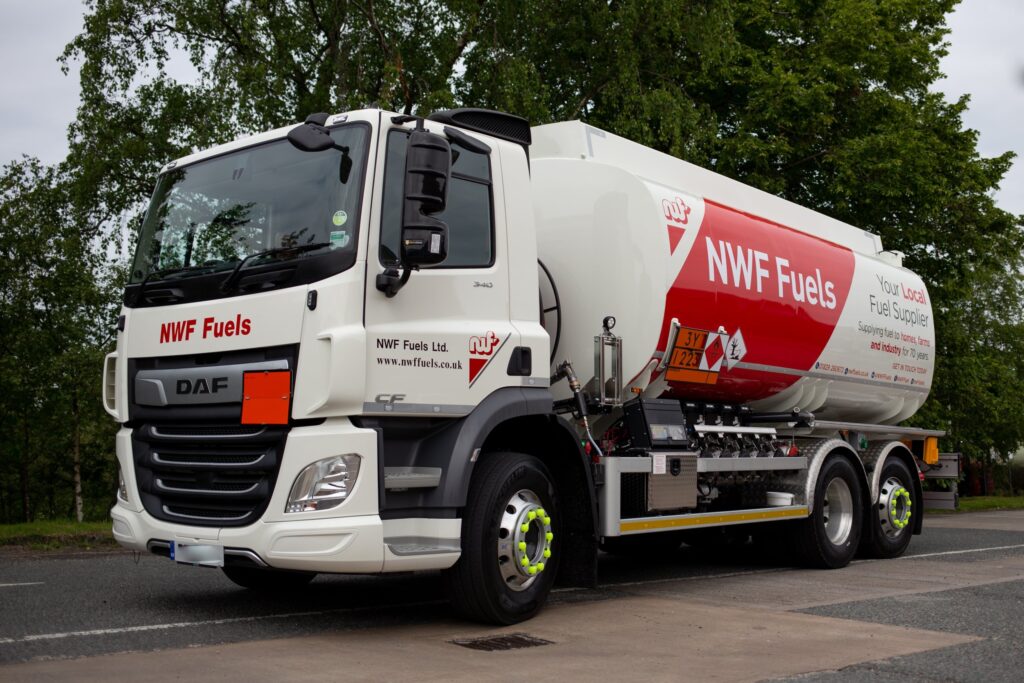
NWF Tanker

How long does heating oil last?

On average, a full residential oil tank will require filling 2-3 times yearly. Depending on the storage conditions heating oil will generally degrade in around 18 to 24 months.
However, the length of time oil lasts in the tank is determined by numerous factors and personal lifestyle choices.

It can also be assumed that during warmer months you will have less demand for heating oil meaning it lasts longer in the tank. During winter, you’ll use more, and it is important to monitor oil levels to ensure they do reach dangerously low levels.


How to avoid running out of heating oil?

The good news is, there are a number of steps you can take to prevent running out of heating oil, including the following:


Install an oil tank monitor

Installing a tank monitor will allow you to accurately track the levels of your heating oil remotely from your smart device. This means you won’t have the inconvenience of checking your tank manually.


Always plan ahead

The key to never running out of heating oil is to plan ahead and order your fuel in advance. This will mean that you are always equipped with a constant supply of heating oil, come rain or shine.


Always maintain your equipment

It’s paramount that you take the necessary steps to maintain your equipment to ensure that you optimise efficiency and prevent it from breaking down. Regular maintenance will not only help to maximise performance, but it can also nip smaller problems in the bud before they develop into bigger, more costly problems.


Adverse weather conditions

Adverse weather conditions can have a huge impact on the supply of heating oil, especially if you live remotely where access is an issue in wintry conditions. With this in mind, you should make sure that you don’t wait until the last minute to order.

You should also ensure that your heating system is well secured as home heating oil theft is an issue.  And remember, if your heating oil supplier offers automatic delivery, make sure you take advantage of it as this can prevent you from running out.

By joining the NWF Fuel priority club, you will receive a free smart monitor for your oil tank that can be observed in real-time via a downloaded app on your smartphone. For extra peace of mind, NEW Fuel will monitor your tank and automatically re-fill it before it runs out.

If you ever do run out, contact us right away and we can arrange an emergency oil delivery.

For more information about heating oil smart monitors and joining NWF Fuel’s priority club, get in touch today


Contact Us Now

For more information about our services, please get in touch with our team on 01829700120 and get a free online quote here. NWF Fuels are here to help you with your heating oil smart monitor needs.


Heating oil delivery – all you need to know

When you’re looking for a heating oil provider, it’s important to choose a supplier that is equipped to meet your needs, whether you require a small home delivery or a large quantity of fuel for your commercial premises.

Here at NWF Fuels, we deliver a comprehensive range of fuel, lubricants, and AdBlue, plus everything else you might want for your fuelling needs, to domestic, agricultural, commercial, and retail customers, throughout England and Wales.

If you’re looking for heating oil delivery in your area, here are the answers to some of the most frequently asked questions:

Is heating oil safe to use?

When should I order my heating oil?

How much heating oil should I order?

How long does heating oil last?

Do you offer heating oil delivery near me?

Who delivers my heating oil?

How much will my heating oil delivery cost?

Will I receive my heating oil during busy periods?

How does home heating oil delivery work?

Can I pre-order oil?

What do I need to do to prepare for my first delivery?

Do you have to be in to receive a heating oil delivery?

Can you use a hose that runs through my house to reach the tank?

Do you offer emergency/next-day delivery?

How will I know how much oil you have delivered?

What is the cheapest month to buy heating oil?

How long will I have to leave my boiler off after an oil delivery?

What is the minimum heating oil delivery in the UK?

Do I need a smart monitor?


Heating Oil Delivery FAQs


Is heating oil safe to use?

Yes, heating oil is extremely safe – in fact, it’s considered the safest type of domestic heat.

When should I order my heating oil?

We’d recommend, ordering your next top-up of heating oil once you’re down to around a quarter of a tank. However, during busy periods, it can be worth ordering earlier.

How much heating oil should I order?

The amount of heating oil you will need depends on the size of your tank, as well as how much oil you have left.

You can find out more here or speak to our team for further advice when ordering.

How long does heating oil last?

Once you’ve taken delivery of your home heating oil, the amount of time it will last for will depend on a number of factors, including the size of the tank, tank maintenance, and seasonality.

On average, however, heating oil in a residential tank will last between 18 and 24 months. Find out more here.

Do you offer heating oil delivery near me?

Yes! We have a network of local depots throughout England and Wales, meaning we’re able to deliver to you, wherever you are. This also means that our drivers have extensive local knowledge, making the delivery process as seamless as possible. Find your local depot here.

Who delivers my heating oil?

When you order from NWF fuels, our award-winning drivers are responsible for delivering your heating oil directly to your domestic or commercial premises.

Armed with the latest qualifications and fully committed to continuous training, our dedicated and highly experienced drivers take pride in everything they do, ensuring they meet the highest standards when delivering to your home and commercial premises.

We are a leading supplier of high-quality fuels in England and Wales and have a network of depots strategically located throughout the UK. We are dedicated to delivering fuel to homes and businesses in a safe, reliable, and timely manner.

How much will my heating oil delivery cost?

That will depend on how much oil you need – find out more about heating oil prices here or get a free quote here.

Will I receive my heating oil during busy periods?

Yes. You will always have access to our extensive supply of fuel, which is stored in every region to guarantee you will receive your home heating oil without any problems, even during periods of high demand, such as the winter months.

How does home heating oil delivery work?

Once your order has been received, the oil will be collected from your local depot in a tanker truck and delivered directly to you.

We offer a variety of depot options in England and Wales, catering to the diverse needs of our customers. These include small and large depots, as well as specialised facilities for different fuel types. Our depots are also equipped with advanced technology to ensure efficient and dependable fuel deliveries.

Can I pre-order oil?

If you join our Priority Club, you can ensure that your oil never runs out, while taking control of your fuel monitoring and spending. Priority members are given a free smart tank monitor, so you can pre-order and ensure you never run out of oil. Find out more here.

What do I need to do to prepare for my first delivery?

Before you receive your first heating oil delivery, you should complete the following checks:

  • Check the label on your boiler
  • Always check the size of your tank
  • Check the oil levels in your tank.


Do you have to be in to receive a heating oil delivery?

No, providing your central heating tank can be accessed easily we can deliver whether you’re home or not.

Can you use a hose that runs through my house to reach the tank?

Unfortunately, we are not able to deliver fuel to oil tanks that require the hose to run through a residential space, other than a garage. Please note that we are also unable to deliver through a garage if it contains white goods (e.g. a fridge or washing machine), due to insurance constraints.

Do you offer emergency delivery / next-day delivery?

We offer an emergency heating oil delivery service to deliver urgent top-ups straight to your tank. Thanks to our network of depots, we have a robust supply chain and coverage nationwide, so we have the fuel and get your emergency fuel delivery to you, wherever you are and whenever you need it.

For an emergency fuel delivery, call us on 01829 260900 or start your order online by clicking here.

How will I know how much oil you have delivered?

We have the latest metering systems on all our vehicles (fully approved by HMRC and Trading Standards) so there is never any confusion about how much oil we have put into your tank.

What is the cheapest month to buy heating oil?

Heating oil is generally cheapest between April and September as demand is low during these months.

How long do you have to leave the boiler off after oil delivery?

Once you’ve received your heating oil delivery, you should ensure your tank remains turned off for at least 30 minutes to allow any sediment to settle.

What is the minimum heating oil delivery UK?

The minimum heating oil delivery in the UK is 500 litres. This is a legal requirement set out by the UK Weights and Measures Authority.


Do I need a smart monitor?

There is no requirement to have a smart monitor on your oil tank, however, it will make delivery easier. Using a smart monitor, we can remotely monitor your fuel tank level and set up alerts to our local depot when your levels are getting low. This means we’ll be able to route a load to your tank whenever it’s needed, ensuring you never run out of oil.

Click here to find out how you can join our Priority Club and get a free smart monitor for your oil tank.

 

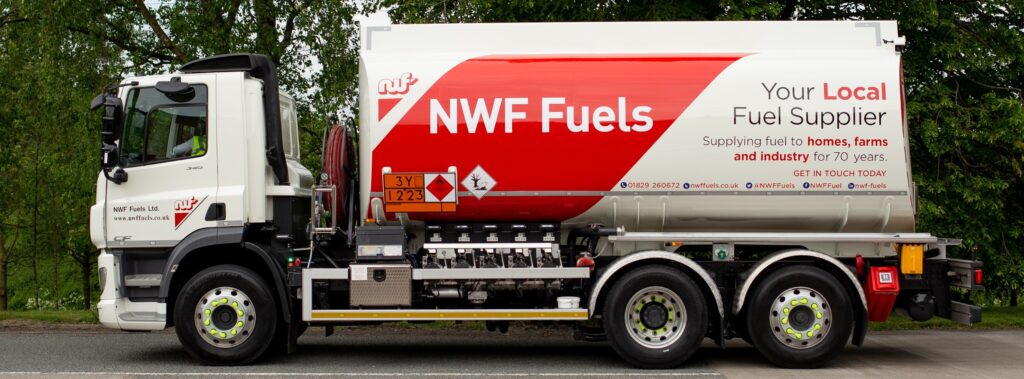
NWF Fuels oil tanker


Why buy from NWF Fuels?

NWF was founded in 1871 as a farming cooperative, serving farms with feed and grain. We started to deliver fuel to our customers in 1950, when ploughs started being pulled by tractors and oil heating started to replace coal.

Today, we are a dedicated fuel and lubricant business with a modern fleet of over 155 vehicles, making us the third largest in the UK. We operate from our local depot network, strategically located across England and Wales and supply a comprehensive range of fuel, lubricants, and AdBlue to domestic, agricultural, commercial, and retail customers across the UK.

But what makes NWF Fuels different to other fuel companies? It’s the attitude of the people within NWF Fuels that really makes the difference. Each sale and distribution centre is run as an independent unit, with the local manager enjoying a high level of autonomy. On top of being experts in customer service and going the extra mile every time, we track all of our tankers to ensure the highest level of service. This means we always know exactly where your delivery is.

We also have the latest metering systems on all our vehicles (fully approved by HMRC and Trading Standards) so there is never any confusion about how much oil we have put into your tank.

To find out more or to place an order for heating oil delivery, please get in touch with our team.


Contact us now

At NWF Fuels, we understand that your home is your sanctuary, and we strive to make it a haven of comfort. We’re not just about delivering oil; we’re about delivering peace of mind. With our reliable and efficient service, you can bid farewell to cold snaps and welcome the soothing embrace of a well-heated home.

But we’re not stopping there. Our commitment to excellence extends beyond mere deliveries. We’re dedicated to providing an unparalleled customer experience, ensuring your journey with us is nothing short of exceptional. From tailored advice to personalised solutions, our experts are ready to guide you every step of the way.

Get in touch with NWF Fuels today by calling 01829700120, and let us be your trusted companion in turning your house into a warm and welcoming home.

Get a free online quote here.


{“@context”:”https://schema.org”,”@type”:”FAQPage”,”mainEntity”:[{“@type”:”Question”,”name”:”Is heating oil safe to use?”,”acceptedAnswer”:{“@type”:”Answer”,”text”:”Yes, heating oil is extremely safe – in fact, it’s considered the safest type of domestic heat.”}},{“@type”:”Question”,”name”:”When should I order my heating oil?”,”acceptedAnswer”:{“@type”:”Answer”,”text”:”We’d recommend, ordering your next top-up of heating oil once you’re down to around a quarter of a tank. However, during busy periods, it can be worth ordering earlier.”}},{“@type”:”Question”,”name”:”How much heating oil should I order?”,”acceptedAnswer”:{“@type”:”Answer”,”text”:”The amount of heating oil you will need depends on the size of your tank, as well as how much oil you have left.\n\nYou can find out more here or speak to our team for further advice when ordering.”}},{“@type”:”Question”,”name”:”How long does heating oil last?”,”acceptedAnswer”:{“@type”:”Answer”,”text”:”Once you’ve taken delivery of your home heating oil, the amount of time it will last for will depend on a number of factors, including the size of the tank, tank maintenance, and seasonality.\n\nOn average, however, heating oil in a residential tank will last between 18 and 24 months. Find out more here.”}},{“@type”:”Question”,”name”:”Do you offer heating oil delivery near me?”,”acceptedAnswer”:{“@type”:”Answer”,”text”:”Yes! We have a network of local depots throughout England and Wales, meaning we’re able to deliver to you, wherever you are. This also means that our drivers have extensive local knowledge, making the delivery process as seamless as possible. Find your local depot here.”}},{“@type”:”Question”,”name”:”Who delivers my heating oil?”,”acceptedAnswer”:{“@type”:”Answer”,”text”:”When you order from NWF fuels, our award-winning drivers are responsible for delivering your heating oil directly to your domestic or commercial premises.\n\nArmed with the latest qualifications and fully committed to continuous training, our dedicated and highly experienced drivers take pride in everything they do, ensuring they meet the highest standards when delivering to your home and commercial premises.\n\nWe are a leading supplier of high-quality fuels in England and Wales and have a network of depots strategically located throughout the UK. We are dedicated to delivering fuel to homes and businesses in a safe, reliable, and timely manner.”}},{“@type”:”Question”,”name”:”How much will my heating oil delivery cost?”,”acceptedAnswer”:{“@type”:”Answer”,”text”:”That will depend on how much oil you need – find out more about heating oil prices here or get a free quote here.”}},{“@type”:”Question”,”name”:”Will I receive my heating oil during busy periods?”,”acceptedAnswer”:{“@type”:”Answer”,”text”:”Yes. You will always have access to our extensive supply of fuel, which is stored in every region to guarantee you will receive your home heating oil without any problems, even during periods of high demand, such as the winter months.”}},{“@type”:”Question”,”name”:”How does home heating oil delivery work?”,”acceptedAnswer”:{“@type”:”Answer”,”text”:”Once your order has been received, the oil will be collected from your local depot in a tanker truck and delivered directly to you.\n\nWe offer a variety of depot options in England and Wales, catering to the diverse needs of our customers. These include small and large depots, as well as specialised facilities for different fuel types. Our depots are also equipped with advanced technology to ensure efficient and dependable fuel deliveries.”}},{“@type”:”Question”,”name”:”Can I pre-order oil?”,”acceptedAnswer”:{“@type”:”Answer”,”text”:”If you join our Priority Club, you can ensure that your oil never runs out, while taking control of your fuel monitoring and spending. Priority members are given a free smart tank monitor, so you can pre-order and ensure you never run out of oil. Find out more here.”}},{“@type”:”Question”,”name”:”What do I need to do to prepare for my first delivery?”,”acceptedAnswer”:{“@type”:”Answer”,”text”:”Before you receive your first heating oil delivery, you should complete the following checks:\n\nCheck the label on your boiler\nAlways check the size of your tank\nCheck the oil levels in your tank.”}},{“@type”:”Question”,”name”:”Do you have to be in to receive a heating oil delivery?”,”acceptedAnswer”:{“@type”:”Answer”,”text”:”No, providing your central heating tank can be accessed easily we can deliver whether you’re home or not.”}},{“@type”:”Question”,”name”:”Can you use a hose that runs through my house to reach the tank?”,”acceptedAnswer”:{“@type”:”Answer”,”text”:”Unfortunately, we are not able to deliver fuel to oil tanks that require the hose to run through a residential space, other than a garage. Please speak to our team if this will cause an issue with your delivery.”}},{“@type”:”Question”,”name”:”Do you offer emergency delivery / next-day delivery?”,”acceptedAnswer”:{“@type”:”Answer”,”text”:”We offer an emergency heating oil delivery service to deliver urgent top-ups straight to your tank. Thanks to our network of depots, we have a robust supply chain and coverage nationwide, so we have the fuel and get your emergency fuel delivery to you, wherever you are and whenever you need it.”}},{“@type”:”Question”,”name”:”How will I know how much oil you have delivered?”,”acceptedAnswer”:{“@type”:”Answer”,”text”:”We have the latest metering systems on all our vehicles (fully approved by HMRC and Trading Standards) so there is never any confusion about how much oil we have put into your tank.”}},{“@type”:”Question”,”name”:”What is the cheapest month to buy heating oil?”,”acceptedAnswer”:{“@type”:”Answer”,”text”:”Heating oil is generally cheapest between April and September as demand is low during these months.”}},{“@type”:”Question”,”name”:”How long do you have to leave the boiler off after oil delivery?”,”acceptedAnswer”:{“@type”:”Answer”,”text”:”Once you’ve received your heating oil delivery, you should ensure your tank remains turned off for at least 30 minutes to allow any sediment to settle.”}},{“@type”:”Question”,”name”:”What is the minimum heating oil delivery UK?”,”acceptedAnswer”:{“@type”:”Answer”,”text”:”The minimum heating oil delivery in the UK is 500 litres. This is a legal requirement set out by the UK Weights and Measures Authority.”}},{“@type”:”Question”,”name”:”Do I need a smart monitor?”,”acceptedAnswer”:{“@type”:”Answer”,”text”:”There is no requirement to have a smart monitor on your oil tank, however, it will make delivery easier. Using a smart monitor, we can remotely monitor your fuel tank level and set up alerts to our local depot when your levels are getting low. This means we’ll be able to route a load to your tank whenever it’s needed, ensuring you never run out of oil.”}}]}

Where to buy kerosene oil


Also known as paraffin oil, heating oil or 28-second oil, kerosene oil is one of the most popular home heating oils used in the UK.

Efficient and clean burning, this type of oil can be purchased in both small and large quantities and is suitable for both domestic and commercial use.

Here’s our guide to everything you need to know about where to buy kerosene oil.


What is kerosene?

Kerosene oil is a flammable liquid used as fuel for heat, power, and light in both commercial and domestic settings. Incredibly versatile, this fuel is reliable, robust, and cost-effective.

Derived from petroleum, this combustible hydrocarbon liquid is also widely used within the aviation industry, too.


Buying kerosene in bulk

One of the benefits of kerosene fuel is that it is widely available to purchase in bulk quantities, however, it’s important to choose a trusted supplier.

A number of different benefits come hand in hand with buying in bulk including:

  • Make significant cost savings
  • Increase productivity in commercial settings
  • Reduce the amount of time spent collecting fuel or waiting for your fuel to be delivered
  • Remove the risk of running out of fuel.


Who delivers kerosene?

Here at NWF Fuels, we have established ourselves as a trusted supplier of heating oil and commercial fuel across the UK, including kerosene oil.

With a modern fleet of 130 fuel tankers and a strategically located depot network, we supply a comprehensive range of fuels, lubricants, and AdBlue, as well as everything else you might need to fuel your home or business. We deliver throughout England and Wales to domestic, agricultural, commercial, and retail customers.

Our premium kerosene improves the efficiency of your system and can reduce your fuel consumption and CO2 emissions.

By removing the impurities, premium fuels can improve the efficiency of a system, often proving to be very cost-effective over the long term. Premium fuels also typically contain a range of active ingredients that help to maintain healthy performance and prevent negative processes such as sludge buildup or corrosion.

Alongside regular servicing, using premium fuels can increase the lifespan of boilers, engines, and combustion systems, so the key to understanding the value of premium fuels is to look at both long-term efficiency performance and the increase in longevity of the mechanism.


Automating kerosene delivery with an oil tank monitor

Using oil tank monitoring is a great way to make sure that you always have a plentiful supply of kerosene, so you don’t have to worry about arranging last-minute deliveries or going without fuel altogether.

Opting to use an oil tank monitor will also allow your supplier to monitor your fuel usage remotely.


Kerosene heating oil delivery near me

Are you searching for local delivery of Kerosene oil? You’re in the right place. We have branches across the UK and our passionate team has strong local roots, with great knowledge of the local area.


Popular uses of kerosene

Kerosene is used for a wide variety of different purposes, but predominantly for cooking, lighting, and heating in commercial and domestic settings.


FAQs


Does buying in bulk affect the price?

Yes, the unit price of oil tends to reduce when you buy kerosene oil in bulk.


Is next-day delivery available?

We deliver oil 6 days a week as standard and increase this to 7 days a week during busy periods. We are also here to take your call 7 days a week throughout the winter and you can contact your local depot manager at any time.


How do I monitor my usage?

Our smart monitor allows you track your consumption levels via a smartphone app. Using the latest radar technology you can monitor your levels, set alerts to notify you when you are running low or why not join our Priority Club where we will monitor your levels and top you up when you’re running low.


Contact us now

At NWF Fuels, we recognise the significance of your home as a place of solace, and we strive to transform it into a haven of absolute comfort. Our mission goes beyond delivering oil; it revolves around delivering tranquility and reassurance.

Our dedication to excellence extends far beyond mere fuel deliveries. We are committed to providing an exceptional customer experience that surpasses all expectations. Our goal is to ensure that your journey with us is nothing short of extraordinary. From specialist advice tailored to your unique needs, to customised solutions that cater to your preferences, our team of experts is prepared to accompany you every step of the way.

Get in touch with our team today by calling 01829700120 and get a free online quote here.


Gas Oil Duty Changes

Update: 15th March 2023

Following an entitlement amendment dated from 15th March 2023, we are now able to supply rebated red diesel for the following uses:

  • Premises where the primary purpose is heating non-commercial properties but, to some extent, are used for commercial purposes. This includes accommodation used part-time for bed and breakfast and district heating networks that primarily supply non-commercial premesis
  • Arboriculture for all forms of tree work that were applicable for rebated diesel before April 2022 including machines and appliances (excluding vehicles) with a use relating to horticulture such as tending parks and gardens
  • Lifeboats and for generating heat and electricity in lifeboat stations, but not in tractors and gear used to launch and haul lifeboats from the water


What is changing with the gas oil duty changes?

In March 2021, the UK Government announced gas oil duty changes, which mean that as of the 1st April 2022 the rules on the tax relief of red diesel are changing.

The revision to the current taxation means that many sectors that use red diesel will no longer receive tax relief and will be required to switch to an alternative fuel such as white diesel (DERV), or a greener product in HVO30. Organisations previously using red diesel for commercial heating will also have the option of Prem35.

As of the 1st April 2022, many sectors will now need to use an alternative to red diesel, as they are now being forced to use a different fuel that is taxed at the standard rate for white diesel.

The laws are changing as part of the UK Governments push to achieve a net zero emissions target by 2050. The changes are to encourage the development and usage of cleaner, more sustainable fuels and while this is a positive environmental step it does present a challenge to a wide range of sectors and businesses.

Many businesses may have assessed their usage and planned their transition to an alternative following the gas oil duty changes, but we are aware that there are others that are unsure of whether they remain exempt or not and what the financial implications are to their business in having to switch from red to white diesel.


Who will be affected by the changes?

We are here to help shed light on some of the grey areas surrounding the upcoming changes. If you currently use red diesel in machinery, generators or for heating purposes in the following sectors you will be affected by the changes.

  • Construction, mining, and quarrying
  • Manufacturing
  • Plant hire, transportation/ logistics, waste management
  • Highway maintenance
  • Airport activities
  • Ports and harbour activities

From the 1st April 2022 we will only be able to supply red diesel to your business if that application is for the sole purpose of the following

  • Agriculture, horticulture, forestry, fishing and arboriculture*
  • Flood and snow clearance including gritters
  • Propulsion of passenger, freight, and maintenance vehicles on rails
  • Propulsion of commercial boats including passenger ferries, water freight and lifeboat charities*
  • The powering of machinery (including caravans) of travelling fairs and circuses
  • Heating and electricity generation for non-commercial premises including homes, places of worship, NHS hospitals, townhalls and permanently moored houseboats*
  • Amateur sports clubs and community sports centres, golf courses (including activities such as ground maintenance, and the heating and lighting of clubhouses, changing rooms etc.)

*Following an entitlement amendment dated from 15th March 2023, we are now able to supply rebated red diesel for these uses.

For a full list of sectors and exemptions of use for red diesel you can check on the Gov.uk website or check with HMRC to confirm your exemption status.


Changing to an alternative – what does that mean?

Red diesel is currently used by a number of industries in machinery and equipment, and it makes up for around 15% of the diesel that is used in the UK. However, users currently only have to pay 11.14p per litre as a duty rate in contrast to the 57.95 ppl for white diesel. This means that these sectors are going to miss out on making a saving of 81% when they make the switch. For those sectors that are going to need to make the switch to white diesel then they are clearly going to miss out on savings.


Failing to comply with the regulatory changes can result in heavy fines. It is therefore recommended that your business starts to plan for the transition if you are going to be affected. Here a just a few things to consider:

  • If you stock red diesel for an application that will be affected by the changes you will need to run the stock down before the 1st April deadline. There is no grace period after this date.
  • Retain proof of purchase for red diesel to prove that you have not stockpiled red diesel for the intended use after the 1st April
  • You may require an additional tank to store white diesel and avoid cross contamination of red and white diesel products
  • If you intend to use the same tank for storing white diesel that once held red diesel, you may be required to flush the tank and supply lines before the 1st April
  • Check the condition and security of your tanks. Many businesses are targeted for their fuel and fuel theft is expected to increase as more switch from red to white products.
  • Fuel usage and efficiency can be monitored by using a telemetry device. We can provide the latest radar unit technology to monitor tank levels and set up alerts when running low. This can also help alert you of leaks or theft too

We do offer and can assist in the clearing of tanks and lines if this is something you feel you may need assistance with.


What are the alternatives following the gas oil duty change?

Once you have assessed whether your business will be affected now is the time to start planning the switch to an alternative. We have a wide range of products that are suitable replacements:

  • Standard White Diesel (Derv)
  • HVO30 – A blended drop-in replacement consisting of 30% Hydrotreated Vegetable Oil (HVO) and white diesel offering a cleaner alternative
  • Prem35 – an efficient replacement fuel for commercial heating applications in boilers or burners. Prem35 is a cost-effective alternative

Please call your local depot and speak to one of our experts for more information on any of the alternative products. We are here to help you and your business manage the transition if required.


Contact Us Now

At NWF Fuels, we’re committed to keeping you informed and helping you make informed decisions. Take advantage of our expert knowledge and experience in the fuel industry. Our team is here to answer your questions and provide tailored solutions that align with your specific needs.

Don’t miss out on the opportunity to optimize your fuel strategy and maximize savings. Get in touch with us today by calling 01829700120 and let us navigate the complexities of gas oil duty changes for you. With our trusted guidance, you can stay ahead of the game and stay focused on what matters most – growing your business.

Get a free online quote here.


More information

Gov UK – Reform of red diesel and other rebated fuels entitlement
https://www.gov.uk/government/publications/reform-of-red-diesel-entitlements/reform-of-red-diesel-and-other-rebated-fuels-entitlement

Related articles

Are Premium fuels worth it?
Hydrogenated Vegetable Oil (HVO)
FAQS – Kerosene


How do Home Heating Oil Users Benefit from the Alternative Fuel Payment?

UPDATE 12/04/2023

The government has extended the window for oil-heated homeowners applying for their £200 domestic “Alternative Fuel Payment” (AFP).

Previously the eligibility window was set from September 2022 but has been extended to June 2022 to accommodate occupants that purchased fuel in bulk ahead of winter.

This means that if you have not yet received a £200 alternative fuels payment, but have proof of spending at least £200 on home heating oil since June 2022, then you could be entitled to the energy bill support.

Most people will automatically receive the payment as credit on their electricity bill. However, if you have not received the payment automatically you can use the AFP application portal until the end of May 2023.


UPDATE 06/02/2023

Further information has now been released to confirm a payment of £200 will be made to contribute towards the cost of heating your home. Payments will begin to be released from February via your electricity supplier or the government. A statement from the trade association UKIFDA said:

“The £200 payments will start 6th February 2023, with most customers receiving the payment automatically as a credit on their electricity bill within the next month. The government has provided electricity suppliers with a list.

A small minority of customers, including those living in park homes or on houseboats with no direct electricity supplier and those on the gas grid but without a gas connection and using heating oil, will need to apply to the Alternative Fuel Payment Alternative Fund (AFPAF) via an application portal on the government’s website https://www.gov.uk/ which will open later in February”.

You can find more information here: Households, businesses and organisations off the gas grid to receive energy bill support over the coming weeks – GOV.UK (www.gov.uk)

We fully support this advice, and it echoes the advice we give below.

Get a quote for home heating oil


UPDATE 13/10/2022

UKIFDA, the industry body for the distribution of liquid fuels, has met with the government about the targeted support payment for heating oil households. This support is now known as the “Alternative Fuel Payment” (AFP) and will be applied directly to eligible customers’ electricity bills this winter.  They have advised strongly that customers do not delay if they need heating oil:

“Inevitably this [£100 support] will take some time, so we strongly recommend that customers do not wait if they need heating oil. We are working closely with the government to find a solution and ensure that heating oil households receive their £100 as soon as possible.


UPDATE 18/11/2022

In his Autumn Statement on 17th November 2022, Chancellor Jeremy Hunt announced that the Alternative Fuel Payment (AFP) for domestic customers would be doubled from £100 to £200. The government has said that this will be applied as a credit to electricity bills but they have not confirmed when this payment will be made to available to eligible households. We advise that you do not delay your heating oil order – click above to get a quote and place your order now.


UPDATE 19/12/2022

The government has announced today that the £200 Alternative Fuel Payment will be made in Northern Ireland in January 2023 and in Great Britain in February 2023. This will be distributed as a £200 credit to electricity bills. For those without an electricity supplier, an online portal will be available in February 2023.


The government announced in September 2022 that we would receive help towards the increasing costs of gas and electricity bills. However, there has been some uncertainty around whether users of home heating oil will be able to access similar funding to help heat their homes.

In this short guide, we are going to cover what the Energy Price Guarantee is and what it means for you, whether there will be any equivalent help for home heating oil users, and some tips to help you with your home heating oil this winter.

What is the Energy Price Guarantee?

In the announcement from the government on the 8th September, several measures were announced to combat the rise of energy costs for households in the form of an Energy Price Guarantee, as well as plans to increase national energy supply and resilience, and meet the target of the UK becoming a net exporter of energy by 2040.

Standing charges will remain in line with the levels set by Ofgem for the default tariff cap from 1st October 2022 – this is 46p per day for electricity and 28p per day for gas for a typical dual fuel customer paying by direct debit.

This will cap energy bills at £2,500 for a typical household until April 2023, based on the median average usage for all properties across the UK, at which the cap will be raised to £3,000 (as announced by Chancellor Jeremy Hunt in his Autum Statement)

The Energy Price Guarantee limits the amount you can be charged per unit, so your exact bill will be based on the amount you use – if you use more than the average, you will pay more than £2,500, and if you use less, you will pay less than £2,500.

This is a saving of over £1,000 for the typical household, as the price cap announced by Ofgem was due to rise to £3,549 on 1st October 2022 (an 80% increase on the current cap of £1,971).

Get a quote for home heating oil

Will I still receive the £400 from the Energy Bills Support Scheme?

The Energy Bills Support Scheme (EBSS) announced by the government earlier this year is still in place. This will provide support to every household in the form of a £400 grant applied to your electricity bill (electricity was chosen as the electricity grid is more extensive than the mains gas network, so the help will reach more people more quickly). This will be paid in monthly instalments from October 2022 – March 2023 (£66 in October, and £67 each month afterwards).

You do not need to apply for this grant, and you do not need to pay it back.

How this is paid to you will depend on how you pay for your electricity, so please contact your electricity supplier or visit their website to find out more information.

The government has confirmed that further funding will be available to provide equivalent support for the 1% of households who are not eligible for this grant. This includes households without a domestic electricity meter or a direct relationship with an electricity supplier (e.g. park homes, houseboats, or living ‘off-grid’).

If you usually receive a Winter Fuel Payment, this still applies – you will receive that payment this winter.

Does the Energy Price Guarantee Apply to Heating Oil households?

The Energy Price Guarantee does not include households that use heating oil to heat their homes as it only applies to those who are on the grid.

However, the government announced that those households using home heating oil would receive “equivalent” support, ensuring that they wouldn’t miss out on the benefits that electricity and mains gas customers will receive:

“For those using heating oil, living in park homes, or those on heat networks, we will set up a fund so that all UK consumers can benefit from equivalent support.”

Liz Truss

The government announced on 21st September 2o22 that households not eligible for the Energy Price Guarantee will receive alternative targeted support to help with the cost of energy bills (now called the Alternative Fuel Payment). This was announced alongside Energy Bill Relief Scheme for businesses, charities, and public sector organisations.

What is the Alternative Fuel Payment?

The Government announced on the 12th October 2022 that the targeted support for households not on mains gas (which includes those using home heating oil) is now called the Alternative Fuel Payment (AFP), and that this payment would be applied as a credit to the electricity bills of eligible households this winter.

The government has said that it will “continue to monitor the prices of…heating oil, and will consider further intervention if required to protect UK households from extraordinary fuel prices.”

UPDATE: In his Autumn Statement on 17th November 2022, Chancellor of the Exchequer Jeremy Hunt announced that the Alternative Fuel Payment for heating oil households will be doubled to £200 to help with the rising cost of bills. 

The government has said that the Alternative Fuel Payment will be made available to home heating oil customers in February 2023, so our advice to you is to continue to purchase your heating oil as usual, and not to delay ordering.

  Get a quote for home heating oil


What if I don’t have an Electricity Supplier?

The government has said that those who do not receive the AFP due to not having a relationship with an electricity supplier will not miss out. They will receive £200 through an AFP Alternative Fund via a designated body. The government has said that customers will be able to apply by an online government portal in February 2023.

Will There be Government Funding Available to Help with My Home Heating Oil Bills?

Whilst the government didn’t give specific details in their statement on the 8th September, the Prime Minister said that there would be a discretionary fund available for those homes that are not part of the mains gas network.

The government then announced on 21st September 2o22 that households not eligible for the Energy Price Guarantee will receive targeted support to help with the cost of energy bills. On 12th October 2022, they announced that the £100 payment, now called the Alternative Fuel Payment (AFP) would be applied as a credit to the electricity bills of eligible households. On 17th November 2022, Chancellor Jeremy Hunt announced that this support would be doubled to £200.

The government has said that this payment will be made in February r. We are awaiting government advice and consulting with our industry body, UKIFDA, so that we have the most up-to-date information available.

We will be able to provide more information as soon it is made available – please continue to check this page and follow us on social media for further updates.

However, you will still receive the £400 EBSS grant (mentioned above) to help with your household bills.

Our Advice for Home Heating Oil This Winter

In the meantime, here are a few top tips from us to help with your home heating oil this winter:

  1. Don’t Delay – Top Up Before Busy Periods

As the days and nights get colder, the demand for home heating oil increases. The price also increases during periods of high demand, so ordering your heating oil before the busy winter period will help to keep costs down. If you delay your heating oil order, you run the risk of running out and needing to order during busy periods, which could cause delays as demand increases.

  1. Join The Cold Weather Priority Initiative If You Are Eligible

NWF Fuels is a member of the Cold Weather Priority (CWP) Initiative, which is a scheme to identify and prioritize customers aged over 75.

You are eligible for the scheme if your household has at least one member over 75. You simply just need to tell us when you order.

  1. Join a Payment Plan

Having a direct debit payment plan in place is a really good way to offset the cost of your home heating oil and save for your next top-up. By splitting up the cost of your home heating oil into manageable monthly payments across the year, you will have the peace of mind that your bills are under control and that you have some funds in your account if prices rise.

At NWF Fuels, we offer two kinds of payment plan – our Budget Plan and our Priority Club, both of which allow you to spread the cost of your heating oil.

Contact us to find out more.

  1. Upgrade to Premium Fuels If You Can

Upgrading to a premium home heating oil helps to increase boiler efficiency and helps to keep your heating system healthy. This results in a greener, cleaner burn and will enable you to get more out of your tank, saving you money over time.

If you join our Priority Club, we will upgrade you to premium home heating oil for free.

  1. Keep Up to Date with Heating Oil Announcements

As the discretionary support fund for home heating oil users has only just been announced, there is not much information available right now. Keep checking our website, and we will be able to update you as and when the information is made available to us by the government, keeping you in the know.


Contact Us Now

Take control of your home heating costs today with NWF Fuels’ Energy Price Guarantee. We’re committed to offering you the best value for your money, so you can enjoy a warm and cozy home without worrying about skyrocketing bills.

Say goodbye to the uncertainty of fluctuating energy prices and say hello to peace of mind. Join our satisfied customers who have already saved on their heating bills. Don’t miss out on this exclusive offer! Get in touch with our team by calling 01829700120.


  Get a quote for home heating oil


What Are Bunded Oil Tanks


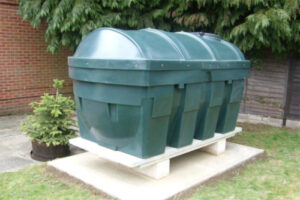
When considering heating oil tanks, it’s important to choose between a single-skin or a bunded tank. A bunded tank consists of two layers, with the inner layer storing the oil and the outer layer acting as a safety precaution against leaks or spills.

Many UK properties rely on oil for heating and hot water, particularly those not connected to the national gas network. It’s crucial to prioritize safety and consider the long-term benefits of a bunded tank before installation or replacement.

Unlike single-skin tanks, which have only one layer, bunded tanks have an additional layer that provides extra protection for the stored fuel. This second layer, known as the bund layer, serves as a tank within a tank, minimizing the risk of fuel leakage or spills.

When making this important decision, it’s important to opt for a bunded tank as it offers a greater level of safety and protection. The inner layer of the bunded tank contains the heating oil, while the outer layer shields it from potential damage. This makes it a safer choice than single-skin tanks in the long run.


Do I need a bunded oil tank?

Bunded tanks not only provide enhanced safety, but they may also be mandatory in certain situations, particularly in domestic environments. To illustrate, bunded tanks are required if:

  • The tank can hold more than 2,500 litres of oil
  • The tank’s vent pipes are not visible while being filled
  • It is located within 10 metres of inland fresh waters, such as ponds, rivers, streams, or coastal waters
  • It is located within 50 metres of a drinking water source
  • An oil spill could reach an open drain or a loose manhole cover
  • An oil spill could reach coastal waters, inland fresh waters, or a drinking water source via hard ground
  • The tank is supplying heating oil to a building other than a single-family residence
  • The tank is situated in an Environment Agency groundwater protection zone 1
  • The tank is located in proximity to an environmental hazard.

If you use oil for heating and cooking, you may require a bunded tank. Range cookers like AGAs consume about 7 litres of fuel daily, which means you’ll need a minimum of 2,500 litres per year, on top of fuel for heating and hot water.


NWF Tanker


How do I install a bunded oil tank?

It is crucial to have your bunded oil tank installed by an experienced engineer who is certified and knowledgeable about the latest regulations concerning oil and fuel tank installations.

If your bunded oil tank is connected to a boiler, the installation must adhere to OFTEC fire regulations. These regulations include ensuring that the tank is located on a non-combustible base that extends at least 300mm around the exterior of the tank. The tank must also be situated at a specified distance from non-fire-rated areas of the property and must not be installed within 1.8m of doors, windows, or other openings. Furthermore, it must be located at least 1.8m away from the flue terminals of oil-fired appliances and at least 600mm away from any trellis work or screening.


What sizes do bunded tanks come in?

Bunded oil tanks come in a variety of sizes, catering to different needs. Domestic tanks can range from 650 litres to 10,000 litres, depending on several factors, such as oil usage, property size, and available space. The size of the tank can be customised to suit your unique requirements.


What are the prices of bunded oil tanks?

The cost of a bunded oil tank can vary based on various factors such as size and manufacturer. Depending on your specifications, the price of a tank typically falls between £1,250 and £5,000.


More reasons why you need a bunded oil tank

Apart from fulfilling certain legal requirements, a bunded oil tank provides several other advantages, which include:

Longer warranty

Bunded tanks are known to provide extended warranty periods compared to single-skin tanks, often lasting up to 10 years.

Increased safety

Oil theft is a common occurrence in the UK, with over 25,000 fuel thefts reported in 2018 alone, and this risk is expected to increase as fuel prices rise. Domestic heating oil tanks are often targeted by thieves due to the valuable oil they contain.

To address this issue, bunded oil tanks are equipped with various safety features to prevent fuel theft. These features include a lockable fill point, a tank gauge, a fuel inspection hatch, and an overfill protection device. By having these safety features, homeowners can have peace of mind knowing that their heating oil is secure and protected from potential theft.


Oil recovery

The recovery of oil from the bund layer in the event of an inner oil tank failure can help to reduce losses of fuel and minimize the costs associated with cleanup efforts. This approach allows the oil to be reused, resulting in significant savings for those who rely on this valuable resource.

Lower risk of environmental damage

To avoid harm to the environment, it is essential to reduce the possibility of oil spills. Bunded tanks provide greater protection against oil spills compared to single-skin tanks.

Cost savings

Owning a bunded oil tank can result in substantial savings on oil expenses. As oil prices fluctuate throughout the year, it’s recommended to purchase oil in larger quantities during periods of lower prices. Bunded tanks provide ample space for storage, enabling bulk purchases of oil, whereas single-skin tanks are restricted to 2,500 litres or less.

Rainwater protection

The presence of water in your oil tank can lead to significant damage and can often go unnoticed until it creates an expensive problem with your boiler or AGA. In order to prevent this, bunded oil tanks have been designed to prevent rainwater, insects, and leaves from entering the tank, which can cause blockages in the pipes that supply your boiler.

With our 40+ years of experience delivering high-quality oil for residential and commercial use, we are among the top distributors in the country. Our selection of bunded oil tanks provides a solution to protect your fuel from water and other contaminants. Browse our collection of tanks and get in touch with us to learn more and to discuss your specific requirements.


Why Choose Us?

Discover the ultimate peace of mind with NWF Fuels’ state-of-the-art bunded oil tanks. Protect your fuel, protect your investment, and protect the environment! Don’t settle for anything less than the best when it comes to storing your oil. Our tanks are meticulously designed to offer unbeatable safety, durability, and reliability. Say goodbye to worries about leaks, spills, and contamination.

Contact our friendly team today, or call us on 01829700120 to discuss your specific requirements and explore the wide range of bunded oil tanks we offer. We’ll guide you through the entire process, from selecting the ideal tank size to expert installation.

Get a free online quote here too.


Related Articles

Heating Oil Tank Installation Guide

Heating Oil Tank Price Guide

Heating Oil Tank Spills and Leaks Guide

Heating Oil Tank Replacement Guide

The Ultimate Guide to Oil Tanks

Home Heating Oil Advice for Beginners

Settling into a new home after a move can be a source of stress, particularly when the property employs a different heating system than what you’re accustomed to. To ease your transition, we’ve compiled a list of frequently asked questions about home heating oil to provide you with the answers you need.

What is Home Heating Oil?

Home heating oil, also referred to as burning oil, is the combustible liquid that is used to heat your home’s radiators or hot water via your boiler. This type of fuel is typically stored in a fuel tank situated in your garden and is an alternative to using gas that is supplied through a mains connection. There are various grades of heating oils available for purchase, including premium options that are more efficient, produce fewer emissions, and require less maintenance while also costing less.

How Much Heating Oil Do I Need?

The quantity of heating oil you can order from us depends on the capacity of your fuel tank. Typically, a domestic tank can hold anywhere from 1000-2500 litres of heating oil, and buying in bulk can often result in cost savings. We offer a minimum order quantity of 500 litres to meet your needs. We answer this in more detail on the how much oil do I need? article.


How Do I Make Sure I Don’t Run Out?

By enrolling in our Priority Club, you will receive a free OilFox smart monitor which makes it simple to monitor your heating oil consumption. With this convenient device, you can check the level of heating oil in your tank using a mobile app from anywhere.

If you have any problems and do run out, contact us for an emergency heating oil delivery.

New to Home Hearting Oil Guide


How Do I Order?

Get an immediate quote for your domestic heating oil by contacting us and conveniently arrange delivery through our website. Alternatively, reach out to us by phone and one of our skilled team members will be happy to guide you through the process.


Get a Heating Oil Quote >>


How Do I Pay?

You have the option to pay for your heating oil order in full by either debit or credit card, depending on the method of ordering. If you prefer to spread the cost over a longer period, you can take advantage of our Planned Monthly Direct Debit scheme, which enables you to pay in 12 monthly instalments.


Why Choose Us

Get ahead of the game with expert advice, tailored specifically for you. Our comprehensive tips and tricks will have you heating your home like a pro in no time. From storage solutions to cost-effective usage, we’ve got you covered.

Don’t let winter chill your home and drain your wallet. Take control of your heating oil and embrace a warm, cozy haven. Say goodbye to unnecessary expenses and hello to smart, efficient heating. Join our community of savvy homeowners who are saving both money and energy.

Get in touch with our team today by calling us on 01829700120 and get a free quote here.


Choosing a new heating oil supplier

NWF fuels tanker supplying home heating oil


Choosing a new heating oil supplier can be a daunting task, but it is essential to get it right. There are many factors to consider when making this decision, including location, customer care, pricing and payment plans, upfront fees, reliability, experience, tank installation, maintenance and protection, contracts, and guarantees and warranties.

It’s vital that you choose a heating oil supplier you can trust, and our guide aims to help you navigate the selection process by highlighting ten key considerations to help you choose the best heating oil supplier for your home or business.

10 things to consider when choosing a heating oil company

Who you choose as your new heating oil supplier will depend heavily on your home or business’ individual requirements. Some of the most important things to consider, such as location, can seem simple – but it’s factors like these you need to nail down before you switch suppliers.

Here are some of the most important things to consider.

1: Location

It may seem like an obvious factor but knowing the geographical capabilities of your supplier is essential. It may be that case that you find a supplier that fits all your requirements, only to discover they are unable to service your area.

While choosing a new heating oil supplier, make sure to research the delivery locations of suppliers in your area. Some may serve the local community, while others may cover larger regions or even the entire country, with larger service areas signaling additional technicians and experts on hand.

Additionally, a supplier that covers a larger area may serve you in future should you decide to move home or premises.

2: Customer care and support

It goes without saying that great customer service should come as standard with any heating oil supplier. You may find however, that isn’t always the case.

The supplier you choose should centralise customers at its very core. Providing quality customer care and support should mean more than just a standard service. It should mean emergency support when you need it most, delivery days that are convenient to you, and an expert team of knowledgeable staff able to answer any queries you may have.

3: Reviews

Knowing your oil provider has a proven history of exceptional customer service can set your mind at ease when it comes to choosing a provider with a positive reputation.

A majority of positive reviews can help you understand at a glance the type of service you can expect from your supplier and whether they are reputable, trustworthy and more likely to fulfil your expectations.

4: Pricing and payment plans

Pricing options and payment plans can be the deciding factor for many people choosing a new heating oil supplier.

Many suppliers offer a range of plans to suit your budget, with options such as NWF Fuel’s Priority Club. Becoming a Priority Club member unlocks a range of benefits such as:

  • Smart monitoring with OilFox, allows you to monitor your oil tank usage and spend wherever you are.
  • Manageable monthly direct debits
  • Prem Pure premium fuel additive at no extra cost.

5: Upfront Fees

Choosing an oil supplier who is open and transparent about their fees and costs means you are fully in the loop from day 1 and in complete control over your finance options.

Some providers may list these fees on their website or may share them while discussing your payment options.

In either case, choosing a supplier who willingly and openly provides their policy on upfront fees is a positive sign. Some of these fees may include:

  • A convenience fee
  • Delivery fees
  • Tank maintenance fees

6: Reliability

Your chosen supplier must be reliable, in both supply and delivery. This is even more crucial during periods of high demand on your tank, throughout the colder months.

With a fleet of over 155 vehicles, we operate from local depot networks, with expert delivery teams who know your local area, delivering your oil when you need it, where you need it.

All of our tankers are tracked, so we know where your delivery is at all times. Each of our tankers are also equipped with the latest metering systems, approved by HMRC and Trading Standards, so we can pinpoint exactly how much oil we deliver to your tank.

With our Priority Club, you’ll also have the option to negate the stress of oil monitoring and ordering, with automatic smart systems in place that detect when your tank is running low, triggering a delivery.


7: Experience

Choosing a heating oil supplier with a proven, successful track record means you are choosing quality, longevity, and experience.

At NWF Fuels, we’ve been servicing homes, businesses, and farms for over 100 years. Founded in 1871 as a farming cooperative with our first fuel deliveries taking place in 1950, we have grown to become the UK’s third-largest supplier of fuels and lubricants.

From small beginnings, we’ve maintained our dedication to quality customer service and providing a reliable, local service for homes and businesses across the country.

8: Tank Installation, maintenance and protection

If you’re making the switch from an alternative heating source to oil, you’ll need to begin by sourcing a heating oil tank.

With a wide range of tank options available, it’s crucial you choose a supplier who can source, install, maintain, and protect your oil tank.

Choosing a supplier who is clear on the rules and regulations surrounding oil tank installation is vital. Look for a supplier who can offer you an assortment of tanks, with experts on hand to talk you through your options. You can find out about installation in our heating oil tank installation guide.

9: Contracts

Some heating oil suppliers may require you to sign a contract. The benefits of this may depend on your personal situation, as contracts may lock you into a certain provider for a specific period of time.

This can help to relieve the stress of searching for new providers but may also be an issue if your provider cannot compete with lower prices or better services of other suppliers.

Weigh up the pros and cons and how they may affect your personal situation before signing a contract.

10: Guarantees and warranties

If you switch to a supplier who can deliver and install your oil tank, whether you’ve just switched to heating oil or are replacing an older model, you want peace of mind that the equipment you’re paying for is fully protected.

Check whether your provider offers warranty plans or guarantees on any tank installations, and what the warranties entail, making sure your equipment is covered and protected against a range of possibilities.


Why switch to a different heating oil provider?

There are a number of reasons why you might choose to switch to a different heating oil provider. Perhaps your current supplier isn’t providing you with the best pricing options, or you’re looking for a company with more flexibility and reliability.

If you’re thinking of choosing a new heating oil provider, choose NWF Fuels. We provide:

  • Exceptional customer service, with local depot networks strategically placed across the UK, providing you with the oil you need, when you need it.
  • A service you can trust, as a major authorised distributor for Texaco and Jet, and the preferred distributors of fuel for Essar, Total and Esso.
  • A dependable service, with fully tracked tankers and locally-ran depots who know your area inside out.
  • Over 100 years of experience, with all our drivers and technicians trained to the highest levels.
  • Flexible pricing options and additional extras so you can fully customise your heating oil delivery and maintenance needs.

Get in touch today and a friendly member of our team and make the switch to NWF Fuels.


Contact Us Now

Don’t settle for anything less than the best. Benefit from our extensive industry knowledge and expertise, ensuring you receive the highest-grade heating oil at competitive prices. Whether you’re a homeowner or a business owner, we cater to all your fuel requirements, delivering on time, every time.

Join our ever-growing family of satisfied customers who enjoy reliable deliveries, flexible payment options, and personalized support. Contact our friendly team now, or call us on 01829700120 to discuss your specific needs and get a no-obligation quote.


Heating Oil Tank Price Guide

Calculator and money

The price of a domestic oil tank in the UK can vary, but on average it costs between £1000 and £2500. Factors that affect the pricing of oil tanks include the style and capacity of the tank, the location of the tank, and the location of the home. The cost of installation can also vary, with an average price of £1000 in the UK.

Although it has become less common, over a million homes in the UK rely on heating oil to heat their homes. This guide will explain what affects the price of oil tanks, how much it costs to install them, and how you can find the best price.


How much are oil tanks?

The price of a domestic oil tank is dependent on the model you choose. However, in the UK, the average oil tank costs between £1000 and £2500. However, depending on the tank, prices can be in excess of £5000.

What affects the pricing of oil tanks?

The style and capacity of an oil tank will dictate the price, so it is worth researching how much heating oil your home requires to ensure you purchase the right size tank. The larger the tank, the more it will cost to purchase and install.

Tanks can be constructed in Plastic or Steel which can also the price. Bunded oil tanks (a double layered tank) are also more expensive than non-bunded.

The total price including tank installation is affected by the location of your oil tank. The installation’s complexity and the tank’s location, above or below ground, will contribute to the costs.

You should also consider the location of your home, the oil tank installer’s hourly rate, and the tank’s quality when calculating an oil tank’s cost.


View all Oil Tanks


How much does the installation of an oil tank cost?

In addition to the cost of the oil tank, you will also need to factor in the cost of your oil tank installation.

If you are replacing an old oil tank and need to drain the remaining oil, you will be required to pay around £350 for a professional to drain the fuel. If you are new to fuel heating and are installing a new oil tank, you will need to trench a new oil line which will cost around £500.

Whether the tank is installed above, or underground will be the biggest contributing factor to the price you pay for your oil tank installation. Excluding the cost of a new tank, the average price of oil tank installation in the UK is roughly £1000. For an underground or basement oil tank, you can expect to pay anywhere from £5000 for its installation.

If special oil tank access needs to be created during installation, you can expect to pay an additional cost calculated based on the requirements.

At NWF Fuels, our EcoSafe oil tank range is ideal for domestic heating requirements and is available in a variety of sizes to ensure 100 per cent customer satisfaction.


How often does a tank need replacing?

Although your oil tank will not need frequent replacement, it can be a large expense you may prefer to prepare for. On average, it costs between £1500 and £4000 to replace an oil tank depending on size, style, and location. In addition, you may need to pay for the removal of an oil tank and for modifications to be made to the tank base. Find out more about heating oil tank replacement here.

Typically, oil tanks need to be replaced every 10 years to ensure they remain safe, however with regular maintenance it is not unusual for oil tanks to last up to 20 years. The model and quality of your tank will also determine how long it lasts before it needs to be replaced.

You should replace your oil tank if you notice signs of damage, such as corrosion, bulging, leaks, or cracks.

How to find the best price

To find the best price for your oil tank and installation, it is recommended to contact various tradespeople and oil tank specialists. Accurately calculating your home’s oil usage and how frequently you require your home to be heated can help you make informed purchasing decisions and ensure you buy a suitable tank for your home.

To find current prices, visit our heating oil online store to view Atlas tanks or Titan tanks

For more information about oil tanks and installation, get in touch with us at NWF Fuels today. A leading heating oil provider across the UK, we have everything to assist your fuelling needs.


Why Choose Us?

Discover the ultimate solution to fuel your home efficiently and affordably. Explore NWF Fuels’ comprehensive Heating Oil Tank Price Guide today and take control of your heating needs. Whether you’re upgrading your current tank or looking to install a new one, our expert team is here to guide you every step of the way.

Don’t miss out on our competitive prices and top-quality tanks that guarantee peace of mind for years to come. Get a quote tailored to your requirements and benefit from our exceptional customer service, or simply call our team on 01829700120. Start your journey towards a reliable and cost-effective heating solution now.

A guide to heating oil tank spills and leaks


No matter how well you maintain your oil tank, leaks can occur because of environmental damage, such as changes in humidity and temperature causing expansion and contraction, which can result in seasonal temperature changes.

As well as being costly and inconvenient, an oil tank leak can also be damaging to the environment, property, and human health.

How do heating oil tank leaks occur?

Heating oil tanks can leak for a number of reasons, including:

  • Failure of the tank body
  • Damage to equipment on the tank
  • Damage to the fuel feed lines
  • Failure of components at the boiler end of the system

Dealing with oil tank leaks

An oil leak or spill can have a huge impact on surrounding wildlife and the environment, so it’s important that it’s correctly dealt with, and fast.

If you use heating oil, it is your responsibility to ensure that it is safely stored and does not pose a risk to the environment. And, if a spill does happen, you will be responsible for managing the clean-up and repair, the costs for which can run into the thousands. With this in mind, it’s essential to have the relevant insurance in place, covering both the cost of a replacement tank and oil and the cost of the clean-up operation.

Of course, before you can deal with your oil tank leak, you’ll need to determine that it is actually leaking – which can be easier said than done.

If your tank is indoors, then you will typically be able to smell oil and see it on the floor close to the source of the leak. If your tank is outdoors, however, it isn’t always so easy – so it’s worth checking for leaks on a regular basis.

The dangers of an oil leak

Oil leaks can be incredibly harmful to the environment. Kerosene heating oil is toxic and harmful to plants and animals, as well as posing a risk to habitats and water.

And the longer the oil leak is left unresolved, the worse the impact will be. So, if your oil tank has spilt into controlled waters such as streams, ponds, or lakes, it’s vital that you contact the Environment Agency as a priority.

If left unaddressed, heating tank oil leaks can also be harmful to your health, leading to strong odours and fumes which can cause symptoms such as headaches, sore throats, and eye irritation.


Steps to solve an oil tank leak

Signs of an oil tank leak include:

  • A strong smell of oil around or inside your home
  • Blackening of grass around the tank or pipes
  • Noticeable increase in usage and cost

If you experience an oil tank leak, you need to act fast! Take the following steps to help resolve the leak as quickly as possible:

  1. First, you need to prevent any more oil from leaking out, so turn the tap off to stop the flow of oil.
  2. Next, try to identify where the leak is so that you can reduce the flow of oil.
  3. Check if the leak has caused any oil to spill onto the ground. If it has, try to absorb as much as possible using sand and attempt to prevent any spread to nearby buildings or water sources.
  4. Once you have taken measures to soak up any oil that has spilt onto your own land, you’ll need to identify whether it has spread to any other land.
  5. Next, try to identify how much fuel has been lost from the tank by checking your usage records, as well as receipts from the fuel supplier. You should also contact your fuel supplier and ask them to remove the remaining fuel as quickly as possible.
  6. You’ll need to contact your insurance provider, who should arrange for contractors to deal with the spill. If the heating oil has contaminated any controlled waters, such as streams, ponds, or lakes, you’ll also need to contact the environmental agency.

Identifying where the leak is

A leak can occur at any point in your heating system, or even multiple points, so it isn’t always easy to identify where the leak is.

  1. Assess the tank itself for any signs of damage, and check for oil in the area immediately around the tank.
  2. If there is no oil close to the tank, follow the pipes, again looking for any signs of damage or oil on the ground.
  3. Assess the boiler to check whether there are any leaks coming from a valve in your furnace.

Repairing damaged oil pipes

If the leak is caused by a damaged pipe, you’ll need to repair it as quickly as possible to prevent any further damage. Remember, all pipe repairs must be carried out by an OFGEM-approved technician to ensure that they meet the necessary regulations.


Replacing a domestic heating oil tank

If you need to replace your oil tank due to a leak, you must ensure that the old tank is removed safely and the new tank complies with all relevant Building Regulations, as laid out by your Local Authority. You will need a Building Notice as proof of compliance unless the work is carried out by a qualified and registered technician who is permitted to certify their own work.

If any of the below apply, the replacement tank must also have secondary containment:

  • Has a capacity of at least 2,5000 litres
  • Is situated within 10m of controlled water, such as a stream, ditch, river, lake, pond, or canal
  • Is located where a spillage could run into an open drain or loose-fitting manhole cover
  • Is located within 50m of sources of drinking water
  • Is located on the hard ground of hard surfaced ground that could allow spilt oil to run into controlled water
  • Is located in such a way that the tank vent pipe outlet cannot be seen from the fill point.

Read our full guide to heating oil tank replacement here.


Why Choose Us?

Don’t let a heating oil tank spill or leak turn into a nightmare for your property! Take action now and safeguard your home with NWF Fuels’ expert solutions. Our experienced team is here to provide you with comprehensive services, from containment and clean-up to tank replacement and environmental remediation. With our state-of-the-art equipment and extensive knowledge, we’ll swiftly address the issue, minimising any potential damage to your surroundings. Your safety and peace of mind are our top priorities.

Don’t wait until it’s too late – contact NWF Fuels today, or call us on 01829700120 and let us handle the situation with efficiency and professionalism. Get a free quote here.